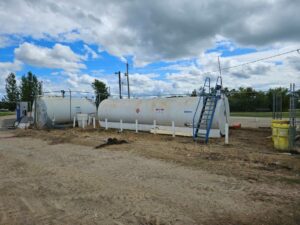
Aboveground storage tanks (ASTs) are used in industries such as fuel storage, agriculture, water treatment, and chemical processing. These tanks hold large volumes of liquid, often for long periods. Over time, residues, rust, and sludge start to build up inside. This buildup can reduce the tank’s capacity, contaminate the product, and even damage the tank itself.
Cleaning an aboveground storage tank is not just about hygiene—it’s about safety, efficiency, and compliance. Regular cleaning helps prevent leaks, extend tank lifespan, and maintain product quality. More importantly, it ensures compliance with Environment and Climate Change Canada (ECCC) and local environmental laws.
Whether you’re managing a fuel depot, farm storage system, or industrial plant, a proper tank cleaning schedule can protect your assets and prevent costly environmental incidents.
Why Regular Tank Cleaning Is Essential for Safety and Efficiency
Many operators delay tank cleaning until a major issue appears. However, routine cleaning offers several hidden benefits.
Improved Performance
Sediment and sludge can restrict flow and reduce storage capacity. Regular cleaning restores the tank’s full capacity and maintains optimal performance.
Extended Tank Life
Corrosion often starts beneath layers of residue. Removing this buildup reduces metal wear and helps extend the tank’s lifespan by years.
Regulatory Compliance
Canadian regulations, such as the Canadian Council of Ministers of the Environment (CCME) guidelines, require proper maintenance and cleaning of fuel and chemical tanks. Clean tanks are less likely to leak or contaminate soil and groundwater, which keeps operations compliant.
Cost Savings
Regular maintenance costs far less than emergency cleanup or tank replacement. Preventive cleaning reduces downtime, maintenance costs, and environmental fines.
For reliable and safe aboveground storage tank cleaning, trust Absolute Petroleum. Contact us today to schedule expert cleaning services and keep your tanks compliant and efficient.
How to Clean an Aboveground Storage Tank (Step-by-Step)
Cleaning an aboveground tank is a multi-step process that must be done safely and carefully. Here’s a step-by-step overview.
Preparation Before Cleaning
Preparation ensures safety and efficiency.
- Isolate the tank and disconnect it from pipelines.
- Ensure good ventilation inside and around the tank.
- Gather the right cleaning tools, detergents, and personal protective equipment (PPE) such as gloves, goggles, and respirators.
- Review confined space entry permits and emergency procedures before anyone enters the tank.
Draining the Tank
Completely drain the tank using approved pumps or gravity flow. Transfer the remaining product to a temporary storage container. Any leftover material should be disposed of according to provincial waste management regulations. Always verify that valves and outlets are fully emptied.
Conducting an Initial Inspection
Before cleaning, inspect the tank’s interior for visible damage, corrosion, or cracks. Take photos or notes for maintenance records. Early detection of problems can prevent major repairs later.
Removing Sludge and Debris
Once drained, remove all sludge and debris at the bottom of the tank. Use shovels, vacuum systems, or sludge pumps. Sludge should be placed in labeled containers and handled as hazardous waste if it contains fuel or chemicals. Always follow local environmental disposal standards.
Cleaning with the Right Detergent
Next, apply a cleaning solution to remove any remaining residue. Choose a detergent compatible with your tank’s material—carbon steel, aluminum, or fiberglass—and the type of product previously stored. For example, use degreasers for fuel tanks and mild detergents for water tanks. Eco-friendly, biodegradable cleaners are preferred to minimize environmental impact.
Rinsing Out Detergent Residue
Rinse the tank thoroughly with clean water, using a high-pressure washer or jet system. Ensure all detergent traces are gone, as chemical residues could contaminate future contents. Check for proper drainage and prevent runoff from entering storm drains or soil.
Drying the Tank Interior
Drying is a crucial but often overlooked step. Moisture can lead to rust or microbial growth. Use air blowers, dehumidifiers, or natural ventilation. In cold climates, warm-air blowers speed up the drying process.
Inspecting Seals and Gadgets
Before reassembly, inspect all seals, gaskets, sensors, and gauges. Replace any damaged components to prevent leaks or inaccurate readings. Ensure that level indicators and pressure valves are functioning properly.
Reassembly and Final Setup
Reinstall covers, bolts, and internal fittings. Tighten connections and ensure all fasteners are secure. Conduct a pressure test if required to confirm there are no leaks.
Refilling and System Restart
Once everything checks out, refill the tank with clean product. Monitor for leaks and verify pressure readings. Observe for the first few hours to ensure the system operates normally.
Essential Gadgets and Tools for Tank Cleaning
Technology has made tank cleaning faster, safer, and more efficient. Modern tools minimize manual labor and improve precision.
Robotic Tank Cleaners
Robotic tank cleaning systems are automated machines that can scrub tank interiors without human entry. They use rotating nozzles and cameras for complete coverage. This reduces the need for confined-space entry, enhancing worker safety.
Magnetic Cleaners
Magnetic cleaners remove rust, metal shavings, and other ferrous debris from steel tanks. They are especially useful in fuel and oil tanks where metallic particles can cause contamination or damage to equipment.
Steam Cleaners
Steam cleaning uses high-temperature vapor to sanitize and remove stubborn residue. It’s an eco-friendly alternative to harsh chemicals, ideal for food-grade or environmentally regulated tanks. Steam also helps dry the tank faster after rinsing.
Environmental and Safety Considerations
Tank cleaning involves handling hazardous materials, so strict safety and environmental standards must be followed.
Environmental Protection
Sludge, wastewater, and detergent residues must be treated before disposal. Avoid discharging wastewater into storm drains or soil. Partner with licensed waste disposal companies for proper treatment.
Safety Precautions
- Ensure continuous ventilation during cleaning.
- Always wear proper PPE including respirators and non-slip boots.
- Never enter a tank without a confined space permit and supervision.
- Use explosion-proof lighting and tools if cleaning fuel tanks.
Emergency Readiness
Have fire extinguishers, first-aid kits, and gas detectors nearby. Workers should be trained in emergency evacuation and first-response procedures.
Common Mistakes to Avoid During Tank Cleaning
Even experienced operators can make small errors that lead to big problems. Avoid these common mistakes:
- Using the wrong detergent: Harsh chemicals can corrode tank linings or create unsafe reactions.
- Skipping pre-inspection: Cleaning without identifying leaks or corrosion can make damage worse.
- Improper drying: Moisture left behind encourages rust or bacteria growth.
- Ignoring gaskets or seals: Old seals can leak once the tank is refilled.
- Poor documentation: Always record each cleaning session for maintenance and compliance purposes.
Tank Cleaning Frequency by Tank Type
Cleaning frequency depends on what’s stored inside and how often the tank is used. Here’s a general guideline:
Tank Type Recommended Cleaning Frequency Reason Fuel Storage Tank Every 3–5 years Prevent sludge buildup and maintain fuel purity Water Storage Tank Every 6–12 months Remove algae, bacteria, and sediment Chemical Storage Tank After every batch or material change Avoid chemical reactions and cross-contamination Agricultural Tank Every season Maintain product quality and prevent clogging
These intervals can vary based on local regulations, environmental exposure, and product sensitivity. Always consult the manufacturer’s recommendations and environmental guidelines in your province.
Tips and Tricks for Better Tank Cleaning Results
Use the Right Cleaning Solution
Choose detergents or solvents that are safe for your tank’s construction. For example, avoid strong acids on aluminum tanks. Eco-friendly cleaning agents reduce health and environmental risks while still delivering strong results.
Always Wear Safety Gear
Personal protection is non-negotiable. Wear gloves, respirators, goggles, and flame-resistant clothing. Ensure all team members understand confined-space safety requirements.
Start Cleaning from the Top Down
Begin from the tank roof and work downward. This method prevents recontamination of already-cleaned sections and ensures a more thorough wash.
Use a Tank Cleaning Checklist
A step-by-step checklist ensures no step is missed—from draining to drying. It’s also useful for audits and inspections, proving compliance with safety and environmental protocols.
Professional Tank Cleaning vs DIY Methods
Some businesses handle small tanks internally, but large or industrial tanks usually require professionals.
DIY Cleaning
Do-it-yourself cleaning may be practical for small water or agricultural tanks. It saves money but carries safety risks and requires strict adherence to safety procedures.
Professional Cleaning Services
Professional tank cleaning companies bring specialized tools, trained technicians, and safety certifications. They handle waste disposal, confined space entry, and post-cleaning inspections. Hiring professionals reduces liability, ensures environmental compliance, and often produces better long-term results.
Cost vs Value
While professional cleaning may seem more expensive, it prevents costly damage, fines, and downtime. The investment pays off through improved safety and efficiency.
Future Trends in Aboveground Tank Cleaning
Technology is transforming how tanks are maintained. In the coming years, expect to see:
- AI-based inspection drones that scan tanks for corrosion or cracks without human entry.
- IoT sensors that monitor sludge levels and alert operators when cleaning is due.
- Eco-friendly cleaning agents made from plant-based materials replacing traditional solvents.
- Fully automated robotic systems capable of cleaning multiple tanks with minimal supervision.
These innovations will make tank cleaning safer, faster, and more environmentally responsible.
Conclusion:
Aboveground storage tank cleaning is essential for safe and efficient operations. Regular maintenance protects your investment, preserves product quality, and helps you comply with environmental laws.
By following a clear cleaning process—from preparation and sludge removal to inspection and refilling—you can avoid contamination, corrosion, and costly repairs.
Whether you handle small tanks on your property or manage industrial systems, keeping your tanks clean ensures reliability and peace of mind. For high-capacity or hazardous tanks, partnering with a professional tank cleaning service is the safest and most efficient choice.
Clean tanks mean clean operations—protecting your business, your workers, and the environment.