Concrete and asphalt surfaces are essential for roads, parking lots, industrial yards, fueling stations, and commercial properties. Over time, however, these surfaces can deteriorate due to heavy traffic, weather conditions, structural damage, or infrastructure upgrades. When pavement becomes cracked, uneven, or outdated, removal is often the first step toward restoration or redevelopment.
Concrete and asphalt removal is a specialized process that involves breaking, cutting, and clearing hardened surfaces safely and efficiently. The process requires the right equipment, experienced operators, and proper disposal methods to ensure that projects move forward smoothly.
For industries such as fuel stations, commercial developments, municipal infrastructure, and industrial facilities, professional removal services are critical. Removing damaged or obsolete pavement allows contractors to repair underground utilities, upgrade infrastructure, and prepare sites for new construction.
This guide explains how concrete and asphalt removal works, when it is needed, and why professional services are essential for safe and efficient site preparation.
What Is Concrete and Asphalt Removal?
Concrete and asphalt removal refers to the process of breaking up and clearing hardened pavement surfaces from a construction site. These surfaces may include roads, driveways, parking lots, sidewalks, fueling pads, or industrial slabs.
The process usually begins with an assessment of the surface condition and thickness. Contractors determine the most effective removal method based on factors such as pavement depth, reinforcement materials, and nearby structures.
Once the plan is established, heavy equipment is used to break the surface into manageable pieces. Hydraulic breakers, skid steers, excavators, and milling machines are commonly used to remove large sections of pavement efficiently.
Concrete removal often involves cutting the slab into smaller segments before breaking it apart. This helps control cracking and prevents damage to surrounding infrastructure. Asphalt removal, on the other hand, often uses milling machines that grind the surface layer and collect the material for recycling.
After the pavement is broken or milled, the debris is collected and transported away from the site. In many cases, the removed materials are recycled and reused in new construction projects.
Concrete and asphalt removal is a crucial step in many construction and renovation projects. Proper removal ensures that the underlying soil or foundation is ready for the next phase of development.
When Concrete and Asphalt Removal Is Necessary
There are many situations where removing existing pavement becomes necessary. Aging infrastructure, safety concerns, and redevelopment projects often require the complete or partial removal of concrete and asphalt surfaces.
One of the most common reasons is structural damage. Over time, heavy vehicles, temperature changes, and moisture infiltration cause pavement to crack, shift, and weaken. When damage becomes extensive, simple repairs may no longer be effective.
Another common reason is infrastructure upgrades. Underground utilities such as fuel lines, drainage systems, or electrical conduits may need to be repaired or replaced. Accessing these systems often requires removing the pavement above them.
Commercial property renovations also require pavement removal. Businesses may expand facilities, redesign parking areas, or modify traffic flow. Removing outdated surfaces allows for modern designs that improve efficiency and safety.
Environmental remediation projects sometimes require pavement removal as well. Contaminated soil beneath concrete or asphalt surfaces must be accessed and treated properly, especially at fuel stations or industrial sites.
In other cases, pavement removal is needed to prepare a site for new construction. Removing old surfaces ensures that the ground is properly graded and stable before new foundations or pavement layers are installed.
Understanding when removal is necessary helps property owners maintain safe and functional infrastructure.
Methods Used for Concrete and Asphalt Removal
Different projects require different removal methods. Contractors select the most appropriate technique based on pavement type, project size, and site conditions.
One common method is mechanical breaking. Hydraulic breakers attached to excavators or skid steers break the concrete into pieces that can be removed easily. This method works well for thick concrete slabs and industrial surfaces.
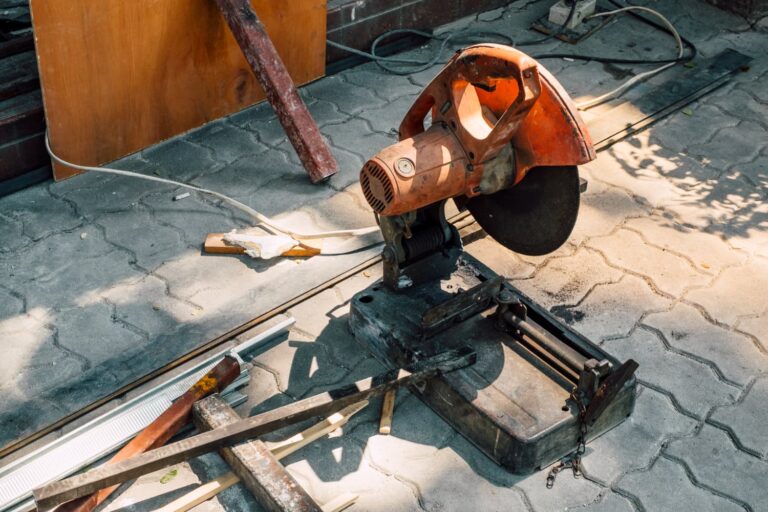
Concrete saw cutting is often used before breaking. Large saws create precise cuts in the pavement, allowing contractors to control where the slab breaks. This reduces the risk of damage to nearby structures or underground utilities.
For asphalt surfaces, milling is a widely used technique. Asphalt milling machines grind the top layers of pavement and collect the material for reuse. This method is efficient for resurfacing projects where only the upper layer needs to be replaced.
In smaller areas, handheld tools such as jackhammers may be used. These tools allow technicians to remove pavement in tight spaces where heavy equipment cannot operate.
In some cases, specialized techniques such as hydro-demolition or chemical expansion agents may be used to remove concrete without excessive vibration.
Selecting the right method ensures efficient removal while protecting surrounding infrastructure.
Equipment Used in Pavement Removal
Concrete and asphalt removal requires powerful equipment designed to handle tough materials. Professional contractors rely on a range of machines to complete projects safely and efficiently.
Excavators are among the most commonly used machines in pavement removal. These large machines can be fitted with hydraulic breakers, crushers, or grapples to break and lift heavy concrete slabs.
Skid steer loaders are also frequently used. Their compact size makes them ideal for maneuvering in confined spaces such as parking lots or fuel station sites. They can carry attachments like breakers, buckets, and milling heads.
Concrete saws are essential for precise cutting. These saws use diamond blades to cut through thick concrete slabs with high accuracy.
Asphalt milling machines are specialized equipment designed to grind and remove asphalt layers. They allow contractors to remove damaged pavement while leaving the base layer intact.
Dump trucks and hauling equipment are used to transport debris away from the site. Efficient debris removal keeps the work area clear and allows construction to continue smoothly.
Using the right equipment helps contractors complete removal projects quickly while maintaining safety and quality standards.
Environmental Considerations and Recycling
Modern construction practices emphasize sustainability and responsible waste management. Concrete and asphalt removal projects often include recycling processes that reduce environmental impact.
Concrete is highly recyclable. Once broken into smaller pieces, it can be crushed and reused as aggregate for new construction projects. Recycled concrete is commonly used in road bases, foundations, and landscaping applications.
Asphalt is one of the most recycled construction materials in the world. Removed asphalt can be processed and reused in new pavement mixtures. This process reduces the need for new raw materials and lowers overall construction costs.
Proper disposal of debris is also important. Contractors must follow environmental regulations when transporting and processing removed materials. This helps prevent contamination and ensures compliance with local laws.
Dust control and noise management are additional environmental considerations. Water spraying systems and specialized equipment help reduce airborne dust during removal operations.
Sustainable removal practices benefit both the environment and project budgets by minimizing waste and maximizing material reuse.
Safety Challenges During Pavement Removal
Concrete and asphalt removal involves heavy equipment, flying debris, and potential exposure to underground utilities. Because of these risks, safety is a top priority on removal sites.
Protective equipment such as helmets, safety glasses, gloves, and steel-toe boots are essential for workers. These items help prevent injuries caused by debris or heavy machinery.
Site preparation is another critical step. Contractors must identify underground utilities before beginning removal work. This prevents accidental damage to gas lines, fuel systems, or electrical cables.
Dust control is important for protecting workers and nearby communities. Dust suppression methods such as water spraying help reduce airborne particles during breaking and grinding operations.
Traffic control may also be required for projects near public roads or commercial properties. Proper signage and barriers keep vehicles and pedestrians away from hazardous work areas.
Professional contractors follow strict safety protocols and industry standards to ensure that removal projects are completed without unnecessary risks.
Why Professional Concrete and Asphalt Removal Matters
While it may seem straightforward, pavement removal is a complex process that requires experience, planning, and specialized equipment. Attempting to perform removal work without proper expertise can lead to delays, safety hazards, and additional costs.
Professional contractors understand how to evaluate site conditions and select the best removal method. They also have access to the equipment needed to complete projects efficiently.
Another major advantage is regulatory compliance. Construction and demolition projects must follow environmental and safety regulations. Professional teams ensure that debris is handled properly and that all work meets local standards.
Efficiency is another key benefit. Experienced crews can remove large pavement areas quickly while minimizing disruption to surrounding operations.
For commercial and industrial properties, professional removal services help maintain project timelines and protect infrastructure.
Conclusion
Concrete and asphalt removal is a critical step in many construction, renovation, and infrastructure projects. Whether replacing damaged pavement, upgrading underground utilities, or preparing a site for new development, proper removal ensures that projects begin with a clean and stable foundation.
The process involves specialized equipment, skilled technicians, and careful planning to ensure safe and efficient results. From mechanical breaking and milling to recycling and debris management, each step plays an important role in preparing the site for the next phase of construction.
By working with experienced professionals, businesses and property owners can ensure that concrete and asphalt removal projects are completed safely, efficiently, and in compliance with environmental regulations.