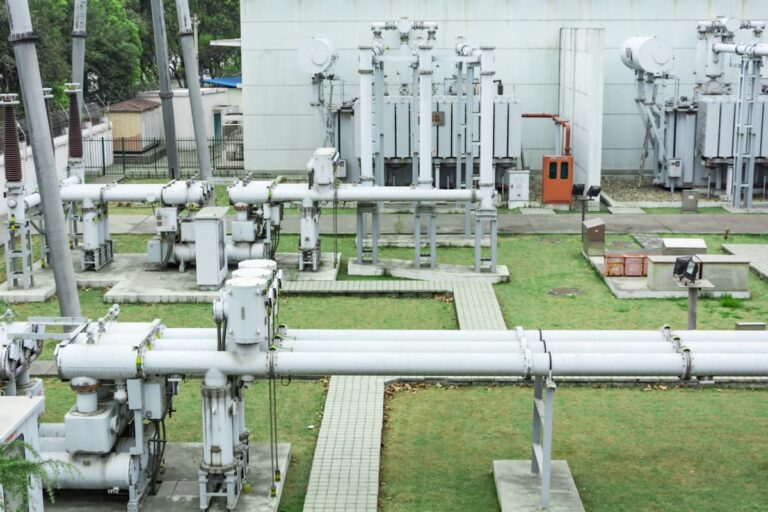
Electrical systems are the backbone of every petroleum facility — and in oil and gas environments, they operate under conditions that standard electrical work simply wasn’t designed to handle.
Flammable vapours. Ignitable gas concentrations. Pressurized fuel lines running alongside live wiring. One faulty connection in the wrong zone doesn’t just cause a tripped breaker — it causes an explosion.
That’s why oil & gas electrical solutions in Canada exist in a category of their own. They require specialized equipment, certified technicians, and strict compliance with the Canadian Electrical Code (CEC) — specifically Sections 18 and 20, which govern hazardous locations and petroleum dispensing facilities.
This guide covers what those solutions actually look like: the types of work involved, the regulations that govern it, and what to look for when selecting a petroleum electrical contractor.
Why Electrical Work in Oil & Gas Is a Different Beast
Walk into any commercial building and a licensed electrician can handle the wiring. Walk into a bulk fuel plant, a cardlock station, or a gas bar — and the rules change entirely.
Petroleum facilities constantly handle combustible hydrocarbons. Gasoline vapours, diesel fumes, and petroleum distillates can accumulate in enclosed spaces, around tank vents, and near dispensing equipment. In those conditions, even a small arc from an unsealed electrical fitting can trigger ignition.
This is why petroleum electrical contractor work requires not just electrical knowledge, but a thorough understanding of fuel system behaviour, hazardous area boundaries, and the specific equipment rated for those environments.
General electrical contractors are not qualified to perform this work. In Canada, Licensed Petroleum Technicians (LPTs) are the recognized credential for anyone working on petroleum systems — including the electrical components integrated within them.
Hazardous Area Classification: Class I Division 1 vs Division 2
The Canadian Electrical Code classifies hazardous locations based on the likelihood and nature of flammable substance exposure. For oil and gas facilities, the two most relevant designations are:
Class I, Division 1 — Areas where flammable gases or vapours are present continuously or intermittently under normal operating conditions. In petroleum terms: the space immediately around an open-dome manway, the interior of a fuel dispenser cabinet, or the area surrounding an underground storage tank vent.
Class I, Division 2 — Areas where flammable concentrations are unlikely under normal operations but possible under abnormal conditions such as a spill, ventilation failure, or equipment malfunction. Examples include the general forecourt of a fuel station or the exterior of a bulk plant enclosure.
The CEC’s Code for Electrical Installations at Oil and Gas Facilities (published by the Safety Codes Council) provides the engineering guidelines for area classification at each site. Only qualified individuals — those with expertise across electrical, mechanical, process, and safety disciplines — should determine the classification boundaries.
Why does this matter for operations managers and project owners? Because the division classification dictates every electrical decision downstream: which wiring methods are permitted, which equipment can be installed, and how conduit runs must be sealed at zone boundaries.
What “Explosion-Proof” Really Means in a Petroleum Context
The term gets used loosely. In regulated environments, it has a precise meaning.
Explosion-proof equipment is designed to contain any internal explosion and prevent it from propagating to the surrounding atmosphere. The enclosure is sealed and robust enough that even if ignition occurs inside the housing, the exterior environment remains safe.
Intrinsically safe equipment operates at energy levels too low to ignite a flammable atmosphere — even under fault conditions. This approach is common for instrumentation and control wiring in Class I hazardous zones.
Purged and pressurized systems use positive pressure to keep flammable atmospheres out of the enclosure entirely, rather than containing an explosion if one occurs.
All three approaches are legitimate — but each applies to different equipment types and zone classifications. Selecting the wrong protection method for a given location is a compliance failure and a safety risk.
Equipment used in Canadian petroleum facilities must meet certification requirements under the CEC and, where applicable, carry approvals from a recognized authority (CSA, ULC, or equivalent).
Core Electrical Services Required at Petroleum Facilities
The scope of oil & gas electrical solutions covers the full project lifecycle — from initial construction through ongoing maintenance and emergency response.
New Electrical Installations for Fuel Stations and Bulk Plants
A new fuel station or bulk fuel plant is not simply a building with pumps attached. The electrical scope on a new build includes:
- Main service and distribution panel installation
- Conduit and wiring runs throughout the facility
- Intrinsically safe submersible turbine pump (STP) wiring
- Dispenser circuit home runs from the panel to each island
- Canopy and forecourt lighting in compliance with area classification requirements
- Interstitial monitoring and leak detection system wiring
- Automatic tank gauge (ATG) system connections
- Emergency shut-off (ESD) circuit integration
- Grounding and bonding of all metallic fuel system components
Each of these elements must be designed, installed, and inspected in accordance with CEC Section 20 and the applicable provincial electrical authority.
At Absolute Petroleum, new build electrical work is integrated with the full petroleum installation — piping, tanks, dispensers, and canopy — delivered by the same team. This eliminates the coordination gaps that occur when multiple contractors are on site for different scopes.
Electrical Systems for Fuel Pumps, Dispensers, and Cardlocks
Fuel dispensers, submersible pump motors, and cardlock terminals all have specific electrical requirements that differ from standard commercial equipment.
Submersible turbine pumps (STPs) run on dedicated circuits with overload protection matched to the motor specifications. Wiring enters the submersible housing through explosion-proof fittings and conduit seals that prevent vapour migration back through the conduit system.
Fuel dispensers — whether Wayne, Gilbarco Veeder-Root, or Bennett — require individual circuit home runs, communication wiring to the point-of-sale (POS) system, and grounding connections to the dispenser chassis.
Cardlock terminals add a layer of complexity: network connectivity, encrypted card readers, and communication infrastructure must all be integrated with the fuel management system while maintaining hazardous location ratings at the dispenser interface.
Wiring errors in any of these components cause immediate operational failures — or worse, intermittent faults that are difficult to diagnose and dangerous to leave unresolved.
Upgrades and Retrofits: Bringing Aging Petroleum Electrical Systems Up to Code
A significant portion of Canada’s fuel retail and bulk distribution infrastructure was built in the 1980s and 1990s. The electrical systems at many of these sites haven’t been substantially updated since installation.
The problems that accumulate over time include:
- Undersized service panels that no longer meet load requirements after equipment additions
- Deteriorated conduit seals that allow vapour migration
- Outdated wiring methods that don’t meet current CEC hazardous location requirements
- Corroded grounding and bonding connections
- Non-compliant conduit materials or installation methods from earlier code cycles
Upgrades to existing petroleum electrical systems require a contractor who can accurately assess current conditions against the current CEC — and who understands how the electrical system integrates with the fuel equipment it supports.
Absolute Petroleum’s Upgrades for Existing Systems service addresses exactly this: a full assessment of your site’s electrical condition, followed by a scoped remediation plan that brings your facility into compliance without unnecessary disruption to operations.
Emergency Electrical Repairs: Minimizing Downtime at Fuel Operations
When the electrical system at a fuel station or bulk plant fails, the impact is immediate. Dispensers go offline. Pumps stop running. Revenue stops.
For commercial fuel operators, cardlock network operators, and bulk distributors, downtime isn’t an inconvenience — it’s a direct financial loss and, in remote community fuel supply scenarios, a potential safety issue.
Emergency electrical response in a petroleum environment requires a contractor who can:
- Diagnose faults within a complex, multi-system petroleum electrical installation
- Work safely in hazardous classified areas under time pressure
- Source and install compliant replacement components — not substitutions that create new compliance problems
- Restore operations and document the repair for regulatory purposes
Absolute Petroleum’s emergency repairs and troubleshooting service is available to fuel facilities across Canada. With over 30 experienced technicians and 200+ years of combined LPT expertise on the team, complex electrical faults get resolved — not prolonged.
Preventative Electrical Maintenance for Petroleum Sites
The most predictable electrical failures in petroleum facilities are also the most preventable.
Loose terminations, degraded insulation, failing conduit seals, and corroded connections don’t fail overnight. They degrade incrementally — and regular inspection catches them before they become operational or safety incidents.
A structured preventative maintenance program for petroleum electrical systems typically includes:
- Thermographic (infrared) scanning of panels and connections to identify hot spots
- Torque verification on all panel terminations
- Insulation resistance testing on STP motor circuits
- Conduit seal and vapour barrier inspection
- Grounding and bonding continuity testing
- ATG and leak detection system electrical verification
- Visual inspection of all dispenser and pump wiring for wear, abrasion, or damage
Preventative maintenance also keeps your facility audit-ready for provincial and federal annual site inspections — a requirement for fuel retail and bulk distribution operators across Canada.
Canadian Regulations and Compliance for Petroleum Electrical Work
Compliance is not optional in this industry. The regulations governing electrical work at Canadian petroleum facilities carry enforcement consequences, and non-compliant installations can void insurance coverage and trigger mandatory shutdown.
Canadian Electrical Code (CEC) — Sections 18 and 20
Section 18 of the CEC governs hazardous locations broadly — it establishes the classification system (Class, Division, Zone), specifies permitted wiring methods for each classification, and sets the requirements for explosion-proof, intrinsically safe, and purged equipment.
Section 20 goes further, addressing specific petroleum applications: fuel dispensing stations, bulk storage plants, garages, and aircraft hangars. It establishes the specific area classification requirements for each zone around petroleum dispensing equipment, storage tank vents, fill connections, and pump housings.
Every province adopts the CEC with its own amendments. Contractors working across provincial boundaries must know the local variations — whether that’s the Alberta Electrical Utility Code, Ontario’s Electrical Safety Code, or Manitoba’s adoption of the CEC.
A petroleum electrical contractor operating without current Section 18 and Section 20 knowledge is a liability to your project — and to your regulatory standing.
The Role of Licensed Petroleum Technicians (LPTs) in Electrical Work
In Canada, particularly across Manitoba and Western Canada, the Licensed Petroleum Technician designation is the governing credential for petroleum systems work. LPT certification recognizes competency across the integrated petroleum system — including the electrical, mechanical, and environmental components that function together in a fuel facility.
This matters for electrical work specifically because petroleum electrical systems don’t exist in isolation. The electrical decisions made during installation — circuit sizing, conduit routing, ATG integration — affect how the fuel equipment performs, how it’s maintained, and how it complies with environmental monitoring requirements.
Absolute Petroleum’s team carries over 200 years of combined LPT experience. This isn’t a marketing number — it reflects decades of hands-on expertise across hundreds of petroleum installations in urban centres and remote locations across Canada.
The company also holds COR (Certificate of Recognition) certification and maintains active compliance with ISNetworld — two safety management benchmarks that engineering firms and major contractors require before awarding petroleum contracts.
Remote and First Nations Fuel Site Electrical Challenges in Canada
Canada’s geography creates a category of petroleum electrical work that most contractors are simply not equipped to handle.
Remote and First Nations communities across Manitoba, Northern Ontario, and the broader Canadian north depend on bulk fuel infrastructure for heating, transportation, and power generation. Many of these communities are fly-in accessible only, with no road connection and no local qualified trades.
The electrical challenges at these sites are compounded by:
- Extreme cold weather conditions that affect conduit materials, wiring flexibility, and equipment ratings
- Limited or no grid power — requiring generator-integrated electrical design
- Long supply chains for materials and equipment
- The absence of local qualified petroleum electrical contractors
- The need to complete work within narrow seasonal access windows
Absolute Petroleum has direct experience delivering petroleum electrical solutions in exactly these environments. The company’s project history includes fuel system work at Red Sucker Lake, OCN First Nation, Split Lake First Nation, Jenpeg Hydro, Wapekeka New School, Muskrat Dam New School, and Kasabonika — communities where access alone is a project management challenge before the technical work begins.
For engineering firms and Indigenous community organizations managing fuel infrastructure projects in remote Canada, the ability to bring a fully qualified petroleum contractor to site — with LPT credentials, COR certification, and multi-discipline capability across electrical, piping, and welding — is not a given. Absolute Petroleum is one of the few contractors in Canada with a documented track record of delivering this scope.
What to Look for When Hiring an Oil & Gas Electrical Contractor in Canada
If you’re evaluating contractors for petroleum electrical work, the following criteria separate qualified candidates from everyone else.
LPT licensing. The contractor’s team must include Licensed Petroleum Technicians. Electrical licensing alone is insufficient for petroleum facility work.
CEC Section 18 and 20 competency. Ask specifically about their experience with hazardous area classification, conduit sealing requirements, and intrinsically safe equipment installation. A qualified contractor will answer with specifics.
Experience with petroleum-specific equipment. The contractor should have documented experience with submersible turbine pumps, automatic tank gauges, fuel dispensers, and cardlock systems from major manufacturers — not just general electrical systems.
Safety certifications. COR certification and ISNetworld registration demonstrate that the contractor operates under a verified safety management system. Major engineering firms and fuel retailers won’t engage contractors without these.
Emergency response capability. Petroleum electrical failures don’t observe business hours. Your contractor should have the team capacity to respond to emergency call-outs.
Provincial regulatory knowledge. A contractor working across Canada must understand provincial CEC amendments and know the inspection and permitting requirements in each jurisdiction they operate.
References from comparable projects. Ask for references on projects that match your scope — fuel station new build, bulk plant upgrade, remote site installation, or emergency response. The right contractor will have them.
How Absolute Petroleum Delivers End-to-End Electrical Solutions for Oil & Gas Facilities
Absolute Petroleum has been delivering petroleum solutions across Canada for over 20 years. Founded in 2007 in West Saint Paul, Manitoba, the company has grown from a two-person operation into Manitoba’s largest petroleum contractor, with a team of 30+ professionals and project experience spanning urban fuel retail to remote community bulk plant installations.
The electrical capability at Absolute Petroleum isn’t a standalone service — it’s integrated into a full-spectrum petroleum delivery model that includes new builds, piping, welding, tank installation, upgrades, and ongoing maintenance. This matters because petroleum electrical systems work in conjunction with every other component of the fuel system. When one team designs and installs the whole facility, the integration is cleaner, the commissioning is faster, and the long-term performance is more reliable.
Completed projects include:
Shell King Edward, Winnipeg — Underground piping and tank upgrades at an active urban fuel retail site, requiring coordination with ongoing commercial operations.
NorthWest Company — New fuel station construction and restructuring of older stations serving remote Northern communities across the NorthWest Company’s retail network.
CN Rail — Petroleum system work for a major national rail operator, meeting the safety and compliance standards of a federally regulated industrial client.
OCN First Nation — Remote community fuel infrastructure serving Opaskwayak Cree Nation, including bulk plant systems in a fly-in accessible location.
Long Plains First Nation — Aboveground tank, piping, and canopy installation at a First Nations community fuel site.
Absolute Petroleum holds COR certification and maintains ISNetworld compliance — prerequisites for working with engineering firms, government clients, and major fuel retailers across Canada.
Planning a fuel station build, electrical upgrade, or facing an emergency repair at your petroleum facility?
Absolute Petroleum provides customized oil & gas electrical solutions for bulk fuel plants, gas stations, cardlock networks, and remote fuel sites across Canada. Contact our team via the Contact Us form or call 855-793-9177 or 204-219-3723 to discuss your project.