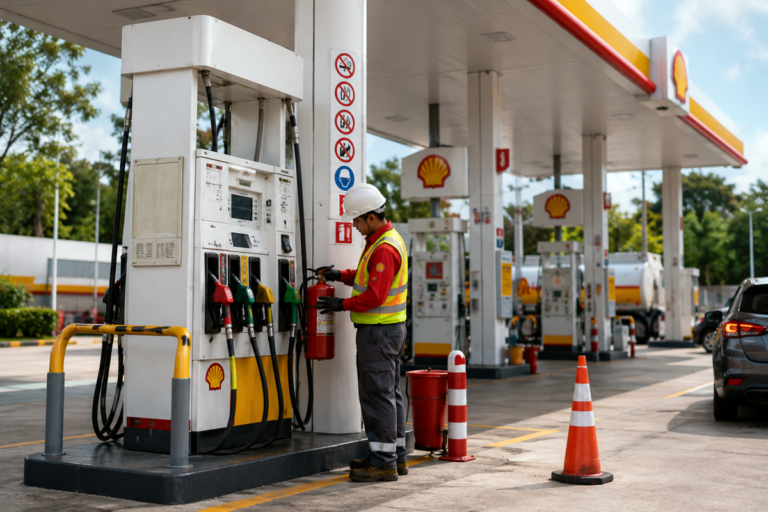
Safety is the foundation of every successful commercial fueling station. Whether a facility serves public vehicles, commercial fleets, industrial operations, or remote work sites, maintaining a safe environment protects employees, customers, equipment, and the surrounding community.
Fueling stations handle flammable products every day, making even small issues capable of becoming major safety hazards. A leaking fuel line, damaged dispenser, faulty electrical connection, or neglected storage tank can lead to costly repairs, environmental damage, operational downtime, and serious safety risks.
Fortunately, most incidents are preventable with proper planning, regular inspections, employee training, and professional maintenance.
This guide explains the most effective ways to improve safety at commercial fueling stations and why proactive maintenance should always be a priority.
Why Fueling Station Safety Matters
Commercial fueling stations operate in high-risk environments. Every component—from underground piping and fuel storage tanks to dispensers and electrical systems—must work together safely and efficiently.
A well-maintained fueling station provides several benefits:
- Protects employees and customers
- Reduces environmental risks
- Prevents costly fuel leaks
- Improves equipment lifespan
- Minimizes operational downtime
- Helps meet provincial and federal regulations
Businesses that invest in fueling station safety also reduce long-term maintenance costs while building trust with customers and regulatory agencies.
1. Schedule Routine Safety Inspections
Regular inspections are the first line of defense against equipment failures.
Many safety problems develop slowly over time. Small fuel leaks, worn hoses, damaged valves, or deteriorating piping often go unnoticed until they become major issues.
Routine safety inspections should include:
- Fuel dispensers
- Fuel storage tanks
- Underground and aboveground piping
- Electrical systems
- Emergency shut-off switches
- Spill containment equipment
- Ventilation systems
- Fire protection equipment
Professional inspections help identify issues early, allowing repairs before they affect daily operations.
2. Keep Fuel Storage Systems Well Maintained
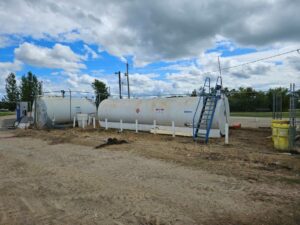
Fuel storage tanks are among the most critical components of any commercial fueling station.
Poor maintenance can result in:
- Corrosion
- Water contamination
- Fuel leaks
- Reduced fuel quality
- Environmental hazards
Regular maintenance should include tank inspections, cleaning, leak detection testing, and monitoring for signs of deterioration.
Keeping storage systems in excellent condition helps maintain fuel quality while reducing repair costs.
3. Train Employees on Safe Fuel Handling
Even the best equipment cannot prevent accidents if employees are not properly trained.
Every staff member should understand:
- Safe fueling procedures
- Emergency shutdown protocols
- Spill response procedures
- Fire prevention practices
- Proper use of personal protective equipment (PPE)
Training should not be a one-time event. Regular refresher sessions help employees stay informed about updated safety procedures and regulations.
4. Maintain Fuel Dispensers and Piping Systems
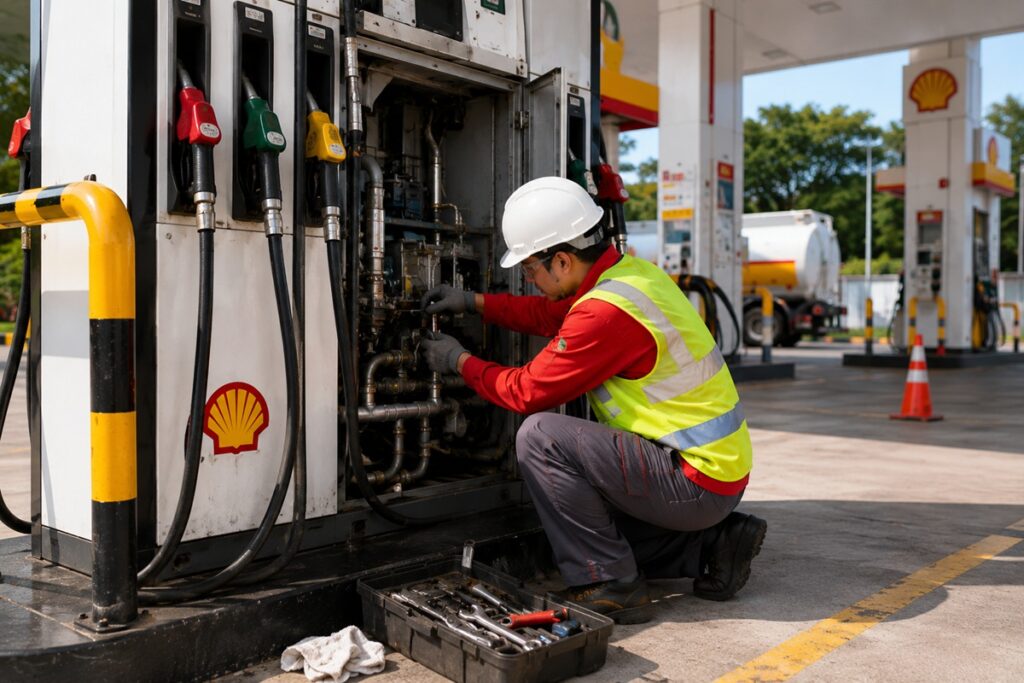
Fuel dispensers are used daily and naturally experience wear over time.
Routine maintenance helps identify:
- Hose damage
- Nozzle wear
- Meter inaccuracies
- Fuel leaks
- Damaged seals
- Loose connections
Similarly, underground and aboveground piping should be inspected regularly for corrosion, pressure loss, and leaks.
Ignoring small problems can eventually lead to expensive repairs and business interruptions.
5. Ensure Electrical Systems Meet Safety Standards
Electrical equipment in petroleum environments requires specialized installation and maintenance.
Faulty wiring or damaged electrical components can increase fire risks, especially where flammable vapors are present.
Electrical systems should be inspected for:
- Proper grounding
- Explosion-proof fixtures
- Damaged wiring
- Control panel performance
- Emergency power systems
Working with an experienced petroleum contractor ensures these systems remain compliant with current safety standards.
6. Prepare for Emergency Situations
Every commercial fueling station should have an emergency response plan.
This plan should clearly outline procedures for:
- Fuel spills
- Equipment failures
- Fire emergencies
- Power outages
- Environmental incidents
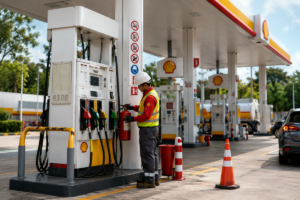
Emergency equipment should always be accessible and inspected regularly, including fire extinguishers, spill kits, first-aid supplies, and emergency shut-off switches.
Employees should know exactly how to respond before emergency responders arrive.
7. Stay Compliant with Regulations
Fueling stations in Canada must meet strict safety and environmental requirements.
Compliance includes:
- Routine inspections
- Proper documentation
- Environmental protection measures
- Equipment testing
- Licensed installations
- Preventative maintenance
Staying compliant not only protects your business from penalties but also helps ensure the long-term reliability of your fuel systems.
8. Work with an Experienced Petroleum Contractor
Safety begins with proper installation and continues through regular maintenance.
An experienced petroleum contractor understands every aspect of commercial fueling station operations, including:
- Fuel system design
- Storage tank installation
- Electrical integration
- Preventative maintenance
- Emergency repairs
- Compliance inspections
Working with one qualified contractor simplifies project management while ensuring every component functions safely together.
Preventative Maintenance Saves Money
Many businesses only address problems after equipment fails.
Preventative maintenance offers several advantages:
- Lower repair costs
- Longer equipment lifespan
- Improved operational reliability
- Reduced downtime
- Better fuel efficiency
- Increased workplace safety
Routine inspections are almost always less expensive than emergency repairs or environmental cleanup.
Common Safety Mistakes to Avoid
Several common mistakes continue to cause avoidable problems at commercial fueling stations:
- Ignoring small fuel leaks
- Delaying equipment maintenance
- Skipping annual inspections
- Using unqualified contractors
- Neglecting employee training
- Poor record keeping
- Outdated emergency procedures
Addressing these issues proactively significantly reduces operational risk.
Conclusion
At Absolute Petroleum, we understand that safety is the foundation of every successful commercial fueling station. From new fuel system installations and preventative maintenance to emergency repairs and compliance inspections, our experienced team delivers reliable petroleum solutions that help businesses operate safely and efficiently across Canada.
Whether you’re planning a new fueling facility, upgrading existing equipment, or looking to improve the safety of your current operation, our team is here to help. Explore our Services to learn more about our petroleum solutions, or browse our Projects to see how we’ve successfully completed fueling infrastructure projects for commercial, industrial, and remote sites across Canada.
If you have questions about your facility or need expert guidance, Contact Us today to discuss your project or request a customized quote. Investing in proactive maintenance and partnering with an experienced petroleum contractor can help protect your employees, customers, equipment, and business for years to come.
FAQs
Why is safety important at commercial fueling stations?
Safety helps prevent fuel spills, fires, equipment failures, and environmental contamination while protecting employees, customers, and business operations.
How often should commercial fueling stations be inspected?
Routine inspections should be performed regularly based on equipment, site conditions, and applicable regulations. Preventative inspections help identify potential issues before they become costly problems.
What are the most common safety risks at fueling stations?
Common risks include fuel leaks, damaged dispensers, electrical faults, corrosion, equipment wear, improper fuel handling, and inadequate employee training.
How can preventative maintenance improve fueling station safety?
Preventative maintenance helps detect small issues early, reduces equipment downtime, extends the lifespan of fuel systems, and ensures the facility remains compliant with safety regulations.
Why should I hire a professional petroleum contractor?
An experienced petroleum contractor has the expertise to design, install, inspect, maintain, and repair fuel systems while ensuring compliance with Canadian safety and environmental standards. Professional support reduces operational risks and helps keep your fueling station running safely and efficiently.