Running a gas station in Canada involves more than just selling fuel. Each site depends on complex systems that need regular care — from underground tanks to lighting and pumps. Gas Station Full site maintenance means keeping every part of your station in top working condition. It includes inspecting, cleaning, testing, and repairing all major systems to ensure safety, reliability, and compliance with Canadian petroleum regulations.
Regular maintenance isn’t just about avoiding breakdowns. It protects your business from costly repairs, prevents fuel leaks, and ensures customers have a smooth fueling experience. When done right, a proper maintenance program keeps your equipment efficient and your site compliant with Measurement Canada, TSSA, and other provincial safety codes.
As one of Canada’s most trusted petroleum service contractors, Absolute Petroleum understands how to keep gas stations operating safely and efficiently across the country.
Importance of Regular Gas Station Maintenance
Gas stations face constant wear from weather, heavy traffic, and daily fuel deliveries. Over time, even minor issues — like loose fittings, worn hoses, or slow pumps — can lead to major safety or compliance problems.
Routine maintenance helps you:
- Protect your investment: Regular servicing extends the life of your fuel pumps, tanks, and monitoring systems.
- Ensure safety and compliance: Preventing leaks and keeping tanks secure reduces the risk of fires, spills, and fines.
- Reduce downtime: Scheduled maintenance avoids costly breakdowns that interrupt sales.
- Enhance customer experience: Clean, well-lit stations attract more drivers and build trust.
Canadian environmental agencies require all fuel sites to maintain leak-free systems and proper recordkeeping. Regular inspections also help detect early signs of corrosion or fuel contamination before they turn into environmental hazards. Preventive maintenance, especially during seasonal changes, ensures that your gas station operates safely all year long.
Key Components of Full Site Maintenance
A full site maintenance program covers every essential part of a fuel station. Let’s look at each area and why it matters.
Fuel Dispensing Systems
Fuel dispensers are the most visible part of your station — and one of the most used. Each nozzle, meter, and pump must work accurately and safely. Technicians regularly check:
- Flow rates and meter calibration (as required by Measurement Canada)
- Hose, nozzle, and breakaway integrity
- Electrical safety of pump motors
- Communication between the dispenser and the POS system
Accurate dispensing ensures customers get what they pay for, while proper maintenance prevents leaks, sparks, or software malfunctions. Routine cleaning also keeps the dispensers looking professional and easy to use.
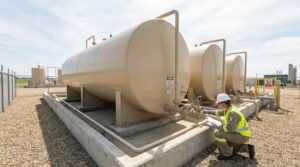
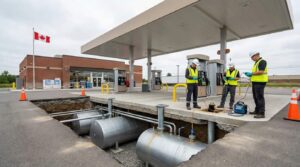
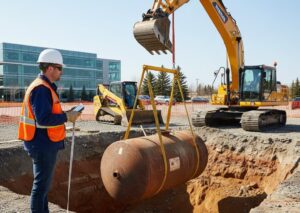
Underground and Aboveground Storage Tanks
Fuel storage tanks are at the heart of your station. Over time, tanks can corrode or develop leaks, leading to environmental risks. Maintenance includes:
- Tank integrity testing to detect leaks or weak spots
- Cathodic protection checks to prevent corrosion
- Fuel quality inspections for water or sediment buildup
- Tank cleaning and filter replacement
Aboveground tanks also need proper venting, labeling, and spill-containment systems. Canadian regulations, such as the Environmental Emergency Regulations (E2), require strict monitoring and reporting. Keeping tanks in top condition protects both your business and the environment.
Fuel Monitoring and Control Systems
Modern gas stations use Automatic Tank Gauges (ATGs) and tank level monitoring systems to track fuel levels and detect leaks. These systems require calibration and testing to ensure accurate readings. Maintenance tasks include:
- Verifying alarm functions and communication signals
- Checking sensor accuracy and replacing faulty probes
- Testing data connectivity between the ATG and remote servers
Accurate monitoring helps prevent overfilling, inventory loss, or environmental violations. In Canada’s harsh weather conditions, these systems also help detect condensation or water intrusion that can damage fuel quality.
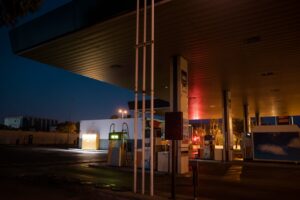
Gas Station Canopy and Lighting Systems
Your canopy and lighting make the first impression on customers. Damaged panels, flickering lights, or dark fueling areas create safety hazards and discourage drivers.
Maintenance teams inspect:
- Structural integrity of the canopy frame
- Lighting fixtures and energy efficiency
- Electrical wiring and waterproof seals
- Cleaning and repainting for branding consistency
Upgrading to LED lighting improves visibility, reduces energy costs, and supports sustainability goals — a growing priority for many Canadian fuel retailers.
POS Systems and Electrical Infrastructure
A gas station’s operations depend on reliable electrical systems and secure payment processing. Maintenance includes:
- Testing POS terminals and card readers
- Checking wiring, breakers, and surge protection
- Maintaining backup power systems and network connections
A single power fault can shut down your pumps and register systems. Preventive electrical inspections ensure safety, uptime, and data security — especially important for 24/7 fuel sites.
Preventive vs. Reactive Maintenance
Some station owners wait for problems to appear before calling a technician. That’s reactive maintenance, and it often costs more in the long run. Preventive maintenance, on the other hand, means identifying and fixing small issues before they cause major downtime.
Reactive Maintenance:
- Responds to breakdowns after they happen
- Causes unexpected shutdowns
- Often requires emergency service rates
- Leads to equipment wear and higher repair costs
Preventive Maintenance:
- Follows a scheduled plan (monthly, quarterly, or seasonal)
- Keeps systems efficient and reliable
- Reduces emergency callouts
- Extends equipment life
Canadian fuel sites benefit most from seasonal maintenance — for example, inspecting sump heaters and monitoring systems before winter, or checking canopy drainage before spring rains. Preventive maintenance saves money, ensures compliance, and provides peace of mind.
Compliance and Safety Inspections
Gas stations in Canada must follow strict rules set by provincial and federal authorities. Regular compliance inspections are part of maintaining certification and avoiding penalties. Key standards include:
- TSSA (Technical Standards and Safety Authority) in Ontario
- Measurement Canada for fuel metering accuracy
- CSA B139 standards for installation and maintenance
- Environmental Emergency (E2) Regulations for fuel storage safety
Licensed Petroleum Technicians (LPTs) perform these inspections to confirm that all components — from tanks to dispensers — meet safety codes. They record results, identify risks, and issue compliance reports that station owners can use for audits.
A consistent inspection schedule keeps your business safe, protects the public, and demonstrates responsibility as a fuel retailer.
Choosing a Professional Gas Station Maintenance Service
Selecting the right service provider makes all the difference. The best petroleum service contractors in Canada are those who combine deep technical experience with strong safety records.
When evaluating a contractor, look for:
- Licensed Petroleum Technicians (LPTs) certified for Canadian regulations
- Comprehensive service coverage — fuel, electrical, canopy, and environmental
- 24/7 emergency support
- Preventive maintenance programs tailored to your site’s equipment
- Strong local reputation and industry experience
Partnering with a full-service provider means you’ll have one point of contact for all your maintenance needs — simplifying compliance, documentation, and service scheduling.
How Absolute Petroleum Supports Gas Station Full Site Maintenance
For over 20 years, Absolute Petroleum has been a trusted name in Canada’s petroleum service industry. Based in Manitoba and serving clients across the country, they deliver safe, efficient, and innovative fuel solutions to support businesses of every size.
Expert Team and Experience
With more than 30 skilled employees and over 200 years of combined Licensed Petroleum Technician (LPT) experience, Absolute Petroleum is Manitoba’s largest petroleum contractor. Their technicians are certified, experienced, and dedicated to maintaining fuel systems that meet all Canadian safety standards.
Comprehensive Maintenance Services
Absolute Petroleum provides end-to-end site maintenance solutions, including:
- Fuel pump and dispenser maintenance — inspection, calibration, and repair
- Storage tank testing and servicing — including leak detection and cathodic protection
- Tank level monitor installation and calibration
- Canopy and lighting inspection and repair
- Electrical and POS system maintenance
- 24/7 emergency service response
They also help clients prepare for compliance inspections, keeping detailed maintenance records to ensure readiness for any provincial or federal audit.
Commitment to Safety and Efficiency
Absolute Petroleum follows strict Canadian petroleum safety codes, using only approved parts and materials. Their preventive maintenance programs reduce downtime, protect the environment, and extend the life of your fuel equipment. Whether you operate one fuel site or a national chain, they tailor their services to your needs.
“With industry-leading expertise and a reputation built on trust, Absolute Petroleum keeps your gas station running safely and efficiently — across Manitoba and beyond.”
If you’re searching for petroleum service contractors in Canada who combine reliability, certification, and decades of field experience, Absolute Petroleum stands out as the right partner.
Benefits of a Full Site Maintenance Program
A complete maintenance plan offers clear business advantages:
1. Fewer Equipment Breakdowns
Regular inspection prevents small problems from becoming major failures, reducing repair costs and downtime.
2. Improved Fuel Quality
Clean tanks and filters keep your fuel free from water, rust, and debris — protecting your customers’ vehicles and your reputation.
3. Enhanced Safety and Compliance
Properly maintained systems reduce fire and spill risks while keeping your site compliant with Canadian regulations.
4. Better Energy Efficiency
Upgraded lighting and electrical systems lower your energy bills and support sustainability goals.
5. Higher Customer Satisfaction
A well-lit, clean, and reliable gas station builds customer confidence and repeat business.
Conclusion
Full site maintenance is more than just a routine — it’s a critical part of running a safe, compliant, and profitable gas station in Canada. Every component, from underground tanks to canopy lighting, needs expert attention to perform at its best.
Working with a trusted partner like Absolute Petroleum ensures your site stays compliant with Canadian standards, avoids costly downtime, and delivers a better experience for every customer.
Contact Absolute Petroleum today to schedule your next maintenance inspection. With over 20 years of reliable service and a team of certified LPTs, they’re ready to keep your gas station safe, efficient, and running at peak performance.