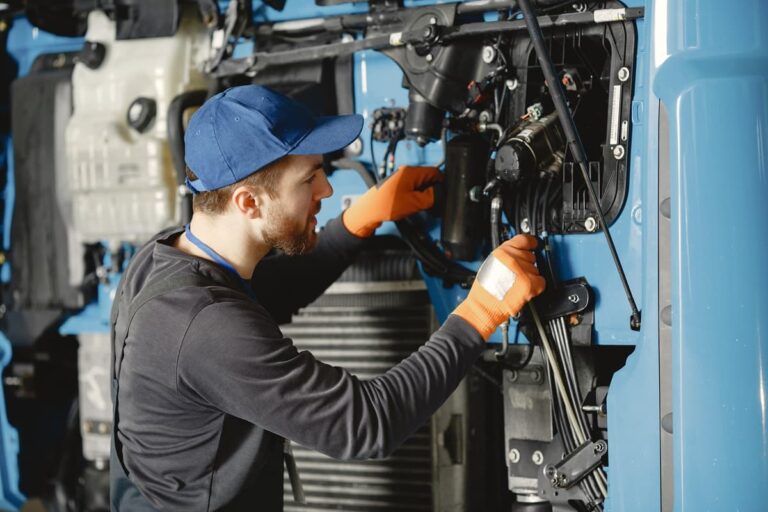
Fuel systems are the heart of any fueling operation. Whether you’re running a gas station, a bulk fuel plant, or a remote fueling site — if your system fails, everything stops.
Fuel system breakdowns aren’t just about fixing a broken part. They can lead to lost time, halted operations, environmental spills, and even safety violations. A small leak today could turn into a costly cleanup or a failed inspection tomorrow.
Modern fuels are also different than they used to be. Diesel and gasoline today are cleaner but more sensitive. They break down faster, absorb water more easily, and are more likely to grow “diesel bugs” — tiny microbes that can clog filters and damage equipment.
That’s why preventative maintenance isn’t just a good idea. It’s a smart, cost-saving plan. It keeps your fuel system running smoothly, protects your equipment, and helps you stay compliant with Canadian safety and environmental regulations.
In this guide, we’ll walk you through the key problems fuel systems face and how regular maintenance can prevent them — before they disrupt your business.
Common Issues Prevented by Routine Fuel System Maintenance
Taking care of your fuel system before something goes wrong can save you time, money, and stress. Let’s look at some of the biggest problems that preventative maintenance helps you avoid.
Fuel Contamination: Water, Microbes, and Sludge
Fuel tanks aren’t just holding fuel — they’re also vulnerable to things that don’t belong there.
Water can get into tanks through loose seals, condensation, or even during refueling. Once inside, it becomes a breeding ground for microbes (also known as diesel bugs). These bugs multiply quickly and create sludge, which clogs up fuel filters and lines.
Sludge and microbes break down fuel quality and can block the fuel injectors, damage the fuel pump, and lower engine performance. This can lead to rough starts, poor fuel economy, and equipment that won’t run when you need it most.
Regular fuel testing, biocide treatments, and fuel system cleaning help keep fuel fresh and free of these problems.
Equipment Corrosion and Component Failure
Corrosion is what happens when metal parts inside your fuel tanks or fuel lines start to break down due to water and chemicals in the fuel.
Over time, this rust eats away at the inside of the tank and connected parts. If left untreated, it can cause leaks, clogged fuel filters, or total system failure — all of which are expensive to fix.
Adding corrosion inhibitors, doing regular visual inspections, and using high-quality fuel filtering equipment will protect your system and extend the life of your components.
Regulatory Non-Compliance and Environmental Hazards
Fuel leaks and spills don’t just harm your business — they can also harm the environment. In Canada, strict rules exist to protect against water pollution and unsafe fuel storage practices.
If your site fails an inspection, you may face fines, cleanup costs, or even forced shutdowns. That’s why a maintenance plan isn’t just about equipment — it’s also about staying up to code.
With routine fuel system maintenance, you reduce the risk of leaks, catch problems early, and stay in line with regulatory compliance laws. It’s one of the smartest ways to protect your operations and the environment.
Absolute Best Practices for Fuel System Preventative Maintenance
Taking care of your fuel system doesn’t have to be complicated. With the right plan and regular checks, you can avoid big problems before they start. These best practices will help you protect your equipment, improve fuel efficiency, and stay compliant with safety standards.
Regular Fuel Quality Testing and Polishing
Fuel doesn’t stay perfect forever — especially stored fuels. Over time, water, dirt, and microbiological growth can build up in your tanks.
Testing your fuel regularly helps catch these issues early. Certified technicians can check for water contamination, sludge, and foreign material. They also test for diesel bugs, which are microbes that live in fuel and clog up filters and injectors.
When your fuel starts to break down, it’s time for fuel polishing. This process cleans the fuel by removing dirt and moisture without draining the tank. It helps improve fuel reliability, protects your combustion chamber, and restores performance without the need for emergency repairs.
Storage Tank Cleaning and Inspections (Aboveground & Underground)
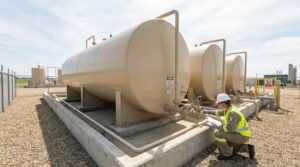
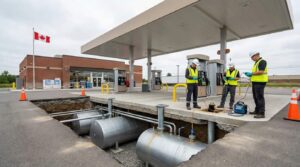
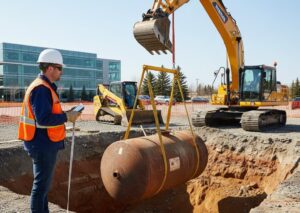
Whether your tanks are aboveground or underground, regular cleaning and inspections are a must.
Tanks can collect sludge, rust, and debris over time. Left unchecked, these materials can enter your fuel lines, damage your fuel pump, or reduce flow. Look for signs like corrosion, cracks, or moisture buildup around fittings and seals.
Schedule professional inspections at least once a year — more often in harsh environments. This helps you stay ahead of leaks, meet regulatory compliance rules, and avoid fines or shutdowns.
Need help? Contact Absolute Petroleum to schedule your next tank inspection.
Dispenser, Pump, and Nozzle Maintenance
Your fuel dispensers, pumps, and nozzles work hard every day. But over time, they wear out.
Check for loose or cracked whip hoses, damaged seals, or sticky nozzles. Even a small leak can waste fuel, affect pressure, or pose a safety risk. You should also calibrate your meters regularly to ensure each pump delivers the right amount of fuel.
This keeps your system efficient, protects customers and staff, and prevents fuel loss.
Filter Replacement and Moisture Control
Fuel filters are your first line of defense against dirt and debris. When they get clogged, your engine has to work harder — and that lowers fuel efficiency.
Replace filters based on manufacturer guidelines, or sooner if you’re in a high-dust or high-moisture environment. Use moisture-absorbing additives to stop water from damaging parts or encouraging microbe growth.
Changing filters regularly is a simple step that makes a big difference in fuel system safety and long-term performance.
Fuel Line and Leak Detection Monitoring
Your fuel lines are like veins — they move fuel from your tanks to your engines. If there’s a crack or weak spot, it can lead to leaks, spills, or pressure drops.
Use leak detection systems to catch problems early. These tools measure pressure and flow, and alert you if something seems off. It’s also smart to schedule routine fuel pressure tests to check for hidden issues.
If you suspect a leak, act fast. Shut down the affected line, report the issue, and call in a professional to handle the repair safely.
How Absolute Petroleum Supports Fuel System Longevity Across Canada
At Absolute Petroleum, preventative maintenance isn’t just a service — it’s part of who we are. We’ve spent over 20 years helping businesses across Canada keep their fuel systems safe, efficient, and reliable.
With over 200 years of combined Licensed Petroleum Technician (LPT) experience, we know how to spot fuel system issues before they cause downtime. From fuel pump problems to corrosion in fuel tanks, our trained professionals understand every part of the job — and how to fix it fast.
A Skilled Team with Nationwide Reach
We’re proud to have a team of 30+ certified experts ready to support projects of any size, anywhere in Canada.
Whether you’re running a remote fueling station, a busy commercial site, or a large bulk fuel plant, we bring the same care and attention to every job. Our team is trained to handle everything from routine fuel system cleaning to emergency fuel system repair.
And we don’t just show up — we show up prepared, with the right specialized tools, fuel filtering equipment, and diagnostic techniques to keep your system running right.
Always On Call: 24/7 Emergency Repair and Custom Maintenance Plans
Fuel system issues don’t wait for business hours — and neither do we.
That’s why Absolute Petroleum offers 24/7 emergency repairs across Canada. Whether it’s a leaking fuel line, clogged injectors, or diesel bugs in your stored fuel, our team is just a call away.
We also provide custom preventative maintenance contracts, built around your system, your site, and your schedule. From fuel pressure tests and visual inspections to full fuel system cleaning, we help you avoid problems before they start.
Looking to keep your fueling equipment in top shape? Contact Absolute Petroleum today to learn more about our preventative maintenance services.
Building a Customized Maintenance Plan for Your Site
Every fuel system is different — and that means a one-size-fits-all approach won’t work. The best maintenance plan is built specifically for your site, your equipment, and your environment.
Things like climate, fuel type, usage patterns, and even location can all affect your fuel system. A station in the cold north will need different care than a high-traffic site in the city. That’s why site-specific planning matters.
At Absolute Petroleum, we don’t just offer fuel system maintenance — we design custom solutions that grow with your needs.
Fuel Maintenance for Bulk Fuel Plants
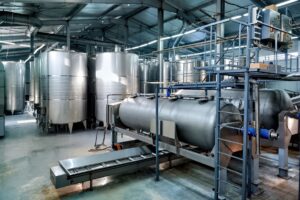
Bulk plants store large amounts of fuel, which often sits for longer periods. That makes fuel quality and tank integrity a top priority.
We create plans that include:
- Regular fuel testing and fuel polishing
- Tank inspections to prevent sludge, water contamination, and corrosion
- Full fuel system cleaning to protect your fuel injectors and pumps
By keeping fuel clean and tanks protected, we help improve fuel reliability and extend the life of your equipment.
Smart Preventative Care for Gas Stations
Gas stations are all about speed, uptime, and customer safety. Even a small issue like a slow pump or leaking whip hose can affect your business.
Our maintenance plans for gas stations focus on:
- Dispenser and fuel line inspections
- Pump calibration and pressure checks
- Catching leaks before they lead to compliance violations
We also inspect fuel tanks, canopies, and fueling equipment to make sure everything runs safely and smoothly.
Support for Remote Fueling Sites
Remote locations can’t afford downtime — it’s often hard to get fast repairs.
That’s why our plans for remote sites are built around proactive service:
- Early detection of issues using diagnostic equipment
- On-site visual inspections, even in harsh weather conditions
- 24/7 support and emergency repair when needed
We make sure your fuel delivery system stays reliable, even in places far from major cities.
Solutions for Commercial & Federal Properties
These properties often serve fleets or critical operations, meaning fuel failures can cause serious disruptions.
For these clients, we offer:
- Full-service fuel injection system checks
- Corrosion protection and chemical treatments
- Detailed maintenance records for regulatory compliance
Whether you’re fueling emergency vehicles or maintaining a federal site, we help you stay compliant, efficient, and prepared.
Want a preventative maintenance plan built for your unique fuel system? Contact Absolute Petroleum today to speak with a licensed expert.
Conclusion
Taking care of your fuel system now can save you from major headaches later. Whether you manage a busy gas station, a remote bulk fuel plant, or a specialized site, one thing is always true: preventative maintenance protects your investment.
Regular checks, fuel system cleaning, and small repairs help prevent fuel contamination, equipment breakdowns, and costly downtime. You also stay ahead of regulatory compliance issues — so you don’t risk fines or shutdowns.
At Absolute Petroleum, we believe in catching problems early and keeping your fueling equipment in top shape. Our team is here to help you build a smart, efficient maintenance plan tailored to your site’s exact needs — no cookie-cutter solutions.
Don’t wait for something to go wrong. Schedule a professional assessment today and discover how Absolute Petroleum can support your fuel system’s safety, reliability, and long-term performance.
Contact Absolute Petroleum now to book your site inspection or discuss a custom preventative maintenance plan that works for you.