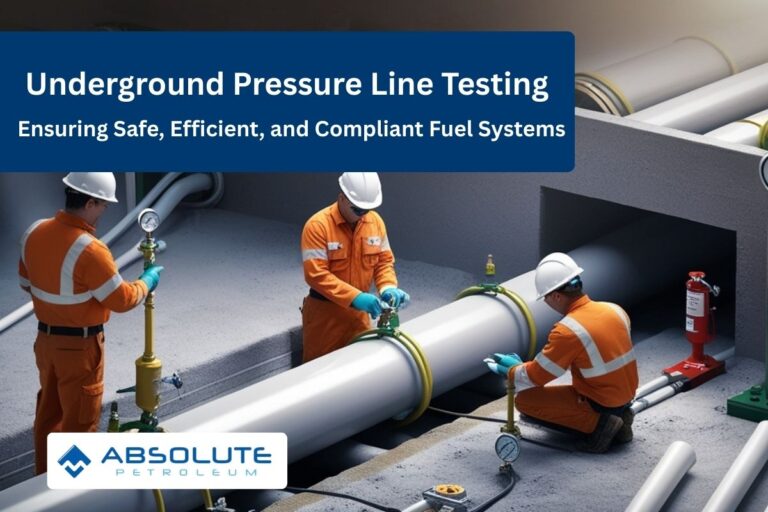
Introduction to Underground Pressure Line Testing
The Role of Pressure Lines in Fuel Systems
Underground pressure lines form the backbone of modern fuel infrastructure, ensuring that gasoline, diesel, and other petroleum products flow efficiently from storage tanks to pumps or industrial equipment. Unlike above-ground pipelines, underground lines are protected from external elements such as wind, UV exposure, and accidental physical damage, yet they face unique challenges like soil pressure, groundwater, and potential corrosion. Maintaining the structural integrity of these lines is critical not only for operational efficiency but also for environmental protection and personnel safety.
Pressure lines are also vital for regulating consistent flow and maintaining pressure across complex fuel systems. Industrial and commercial fuel operations rely on uninterrupted supply to avoid downtime, protect equipment, and optimize production processes. A failure in an underground pipeline can lead to leaks, spills, and costly interruptions, underscoring the necessity of regular inspections and testing. Ensuring the reliability of these pipelines is a proactive approach that safeguards assets while maintaining compliance with industry standards and environmental regulations.
Why Testing is Critical for Safety and Compliance
Underground pressure line testing is a cornerstone of safe fuel operations. Over time, pipelines face wear and tear caused by internal pressure fluctuations, chemical interactions with fuels, and environmental stresses. Ignoring routine testing can lead to undetected leaks, contamination, or catastrophic failures, which may pose serious risks to personnel, nearby communities, and the environment. Regulatory bodies across Canada mandate regular inspection and testing to maintain safety standards and operational compliance.
In addition to preventing physical hazards, consistent testing helps facilities maintain regulatory compliance and avoid penalties or legal liabilities. Early detection of micro-cracks, corrosion, or weak welds allows for timely maintenance, reducing repair costs and preventing extended operational downtime. Integrating underground cathodic line testing into routine protocols enhances corrosion protection and extends the functional lifespan of pipelines, providing a multi-layered approach to safety and efficiency.
Understanding Underground Pressure Lines
Types of Underground Pressure Lines
Underground pressure lines are constructed using various materials, each selected based on application, pressure requirements, and environmental conditions. Steel pipelines are preferred for high-pressure systems due to their robustness and mechanical strength. However, they require protective coatings and cathodic protection to prevent corrosion. Polyethylene (PE) pipelines offer flexibility, chemical resistance, and easier installation, making them suitable for areas with shifting soils or uneven terrain. Composite pipelines combine the benefits of multiple materials, providing both strength and corrosion resistance while minimizing maintenance demands.
Choosing the correct pipeline type involves balancing performance, durability, and operational costs. Steel lines are highly durable but require ongoing monitoring, whereas PE and composite lines offer low-maintenance solutions but may have pressure limitations. Understanding material characteristics allows operators to implement appropriate testing protocols and preventive measures, ensuring that pipelines maintain structural integrity and operate safely under varying conditions.
Common Issues Affecting Underground Lines
Several factors can compromise the reliability of underground pressure lines. Corrosion remains the most prevalent issue, accelerated by soil chemistry, moisture, and electrical currents. Material fatigue caused by repeated pressure cycles can lead to micro-cracks or structural weakening over time. External damage from excavation, vehicle traffic, or nearby construction adds further risk. Environmental factors, including frost heave, soil erosion, and groundwater fluctuations, also affect pipeline stability.
Chemical interactions between specific fuel types and pipeline materials can exacerbate deterioration. Without regular monitoring and inspection, these vulnerabilities can result in leaks, spills, or catastrophic failures. Incorporating LPT site compliance inspections into maintenance schedules ensures pipelines meet provincial safety standards and reduces the likelihood of unexpected operational disruptions.
Key Methods of Pressure Line Testing
Hydrostatic Testing Explained
Hydrostatic testing is one of the most reliable methods for assessing pipeline integrity. It involves filling the pipeline with water and pressurizing it above its normal operational levels. The incompressible nature of water allows technicians to detect leaks, weak joints, and structural flaws that may otherwise go unnoticed. Monitoring pressure changes during the test provides precise data about pipeline strength and potential vulnerabilities.
Hydrostatic testing is safe and highly effective because water does not introduce fire hazards or toxic risks. It is especially valuable for identifying weld defects, micro-fissures, or areas weakened by corrosion. By implementing hydrostatic testing at regular intervals, operators can proactively maintain system integrity, prevent environmental contamination, and ensure uninterrupted fuel flow.
Pneumatic Testing Overview
Pneumatic testing uses air or inert gases to pressurize the pipeline. While faster to deploy in certain situations, pneumatic testing carries higher safety risks due to the compressible nature of gases. Strict protocols are required to manage pressure safely and prevent accidents. Despite these risks, pneumatic testing is invaluable for lines where liquid introduction is impractical, or for detecting very fine leaks that hydrostatic testing might miss.
Pneumatic testing complements hydrostatic methods, providing a comprehensive assessment of pipeline integrity. Its strategic use, alongside modern monitoring tools, ensures that operators can identify potential failure points efficiently while maintaining personnel safety.
Inline Inspection Tools (Smart Pigs)
Smart pigs are advanced devices inserted into pipelines to perform internal inspections without disrupting operations. Equipped with ultrasonic sensors, magnetic flux leakage technology, and high-resolution imaging, they provide detailed information on corrosion, cracks, and deformations. Smart pigs enable predictive maintenance by mapping the internal condition of pipelines and identifying areas at risk before failures occur.
Using smart pigs significantly improves operational safety, reduces downtime, and supports data-driven maintenance strategies. These tools are especially crucial in high-risk pipelines or those with limited accessibility, offering an unprecedented level of insight into infrastructure health.
Safety Protocols During Testing
Preparing the Site for Safe Testing
Proper site preparation is essential to minimize risk during testing. This involves establishing a secure perimeter, removing hazards, clearly marking pipeline routes, and ensuring emergency response protocols are in place. Conducting risk assessments for environmental and operational factors, such as nearby electrical lines or unstable soil, ensures a controlled and safe testing environment.
Effective site preparation not only protects personnel but also improves testing accuracy. Proper staging of equipment, communication protocols, and access routes allows for efficient operations while reducing the likelihood of accidents or interruptions.
Personal Protective Equipment (PPE) and Staff Training
Personnel safety is ensured through proper use of PPE and rigorous training programs. Helmets, gloves, eye protection, and pressure-rated clothing are standard requirements during testing operations. Staff must be trained on testing protocols, emergency procedures, and safe handling of testing equipment.
Continuous education, including drills and certifications, reinforces adherence to safety standards. Well-trained personnel are better equipped to detect anomalies, operate testing machinery safely, and respond effectively in emergencies, ensuring a secure and efficient testing process.
Regulatory Standards and Compliance
National and Local Fuel Line Regulations
Compliance with national and provincial regulations is non-negotiable in underground pressure line operations. These standards define testing frequencies, acceptable methods, and safety protocols. Adherence ensures pipelines operate safely, prevents environmental damage, and avoids legal penalties. Regular audits and inspections verify that testing methods meet or exceed regulatory requirements.
Record-Keeping and Documentation Requirements
Detailed record-keeping supports compliance and long-term asset management. Testing reports should include pressure readings, leak locations, material assessments, and corrective measures. Digital documentation enhances accessibility, trend analysis, and audit readiness, ensuring that operators maintain transparency and demonstrate due diligence to regulators.
Common Challenges and How to Overcome Them
Detecting Hidden Leaks and Weak Points
Hidden leaks, micro-cracks, and partially blocked sections are difficult to detect without advanced testing techniques. Combining hydrostatic and pneumatic testing with inline inspection tools ensures comprehensive detection. Early identification allows for targeted repairs, preventing minor issues from escalating into catastrophic failures.
Environmental and Soil Conditions Impact
Pipeline performance is influenced by soil composition, moisture content, and environmental factors. Acidic soils accelerate corrosion, while soil shifting or frost heave exerts mechanical stress on pipelines. Testing protocols must account for these site-specific variables to ensure accurate assessments and long-term operational reliability.
Benefits of Regular Underground Pressure Line Testing
Preventing Leaks and Spills
Routine testing significantly reduces the risk of leaks, spills, and environmental contamination. Early detection of vulnerabilities protects ecosystems, minimizes financial liabilities, and supports uninterrupted operations.
Extending Pipeline Lifespan
Proactive maintenance and testing extend the operational life of pipelines. Identifying corrosion, fatigue, and minor defects before they escalate reduces repair costs and maximizes infrastructure ROI.
Enhancing Operational Efficiency
Testing ensures optimal pressure levels, consistent flow, and minimal downtime. Reliable pipelines maintain productivity, prevent disruptions, and improve overall fuel system performance. Integrating preventative maintenance for fuel systems further strengthens system longevity and operational consistency.
Absolute Petroleum: Your Trusted Partner in Underground Pressure Line Testing
Over Two Decades of Petroleum Expertise
Absolute Petroleum has provided safe and efficient petroleum solutions for over 20 years, earning a reputation for operational excellence and reliability.
Experienced Team of Licensed Petroleum Technicians
With 30+ skilled employees and over 200 years of combined LPT experience, the team brings unmatched expertise to every project, ensuring precise testing and compliance.
Manitoba’s Largest Petroleum Contractor
Absolute Petroleum is the largest petroleum contractor in Manitoba, capable of handling projects of all sizes with consistent, high-quality results.
Commitment to Safety, Innovation, and Efficiency
Through advanced technologies and robust safety protocols, Absolute Petroleum maintains pipeline integrity while optimizing fuel system performance.
Supporting Businesses Across Canada
Serving clients nationwide, Absolute Petroleum ensures seamless operations, proactive maintenance, and dependable fuel solutions across diverse industries.
Choosing the Right Testing Service Provider
Evaluating Experience and Expertise
Selecting a provider with proven experience, regulatory knowledge, and technical proficiency ensures accurate, safe, and efficient testing.
Technology and Equipment Considerations
Advanced inspection tools, such as smart pigs and high-precision monitoring devices, are essential for comprehensive pipeline assessment and predictive maintenance.
Case Studies and Industry Examples
Successful Pressure Line Testing in Fuel Facilities
Facilities that implemented systematic hydrostatic and inline inspections experienced reduced leak incidents, extended pipeline lifespans, and improved operational efficiency, demonstrating the value of proactive testing.
Lessons Learned from Testing Failures
Common mistakes include irregular inspections, improper documentation, and inadequate safety measures. Addressing these issues prevents recurrence and enhances overall pipeline reliability.
Conclusion
Regular underground pressure line testing protects personnel, the environment, and infrastructure while ensuring operational efficiency. Preventive maintenance, adherence to regulations, and modern technologies are key to long-term reliability.
Operators should implement scheduled inspections, integrate advanced testing methods, and partner with experienced providers. Proactive monitoring ensures compliance, minimizes risks, and optimizes fuel system performance across all operations.
FAQs
1. How to pressure test an underground gas line?
Pressure testing an underground gas line is a critical safety procedure to ensure the integrity of the pipeline before it is put into service. The process typically involves:
- Isolating the section of the pipeline to be tested.
- Filling the line with an inert gas (such as nitrogen) or, in some cases, air, while ensuring it is free from moisture and debris.
- Pressurizing the line to a predetermined test pressure, higher than the operating pressure, and maintaining it for a specified duration.
- Monitoring for pressure drops, which indicate leaks or weak points in the line.
- Inspecting joints, fittings, and valves to confirm they are sealed and intact.
It is important to follow local codes, safety regulations, and manufacturer recommendations during testing. Certified technicians should always perform gas line pressure tests to prevent accidents.
2. Is hydrotest pressure 1.3 or 1.5 times?
Hydrostatic testing (hydrotest) involves pressurizing a pipeline above its normal operating pressure to check for leaks or structural weaknesses. The test pressure is usually 1.3 to 1.5 times the maximum allowable operating pressure (MAOP), depending on local regulations and the type of pipeline.
- 1.3× MAOP is often used for plastic pipelines or less critical applications.
- 1.5× MAOP is standard for steel pipelines and high-pressure lines.
The pipeline is monitored for pressure drops over a set duration, typically several hours, to confirm integrity before commissioning. Always refer to regulatory standards for exact requirements.
3. What is the pressure test for underground fire lines?
Underground fire protection lines, such as sprinkler or hydrant supply lines, must undergo hydrostatic testing before being put into service. The typical procedure is:
- Filling the line with water and removing air pockets.
- Pressurizing the line to 1.5 times the designed working pressure, or as specified by local fire codes.
- Maintaining the pressure for a minimum period (usually 2 hours) to observe any pressure loss.
- Inspecting joints, valves, and fittings for leaks.
This ensures the fire protection system can withstand operational pressures and will function reliably during emergencies.
4. How to pressure test an underground gas line?
Pressure testing an underground gas line involves verifying the pipeline’s integrity before introducing combustible gas. Steps include:
- Isolating the pipeline and capping open ends.
- Filling the pipeline with an inert gas like nitrogen to prevent combustion risks.
- Pressurizing the line to a safe test pressure, typically above the operating pressure.
- Monitoring for leaks over a specified duration and inspecting all fittings and joints.
- Releasing test pressure safely before commissioning the gas line.
Following local codes and safety procedures is critical, and only qualified personnel should conduct the test.