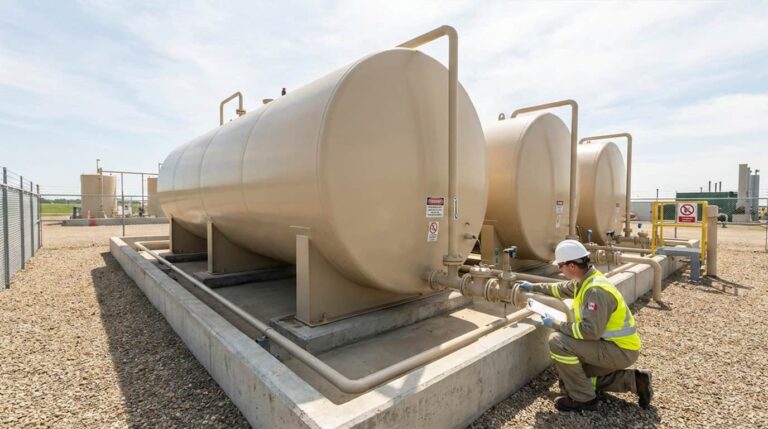
Above ground storage tanks play a critical role in how fuel is stored and supplied across Canada. These tanks are commonly used by businesses in transportation, agriculture, construction, manufacturing, and many other industries. While they are visible and easier to access than underground tanks, they still require regular inspections to stay safe, compliant, and reliable.
Above ground tank inspections help identify problems early. They reduce the risk of fuel leaks, fires, environmental damage, and costly shutdowns. Without routine inspections, even small issues can grow into serious hazards over time.
At Absolute Petroleum, we provide professional above ground tank inspection services for businesses across Canada. With over 20 years of experience, 30+ skilled employees, and more than 200 years of combined Licensed Petroleum Technician (LPT) experience, we help clients meet safety standards while protecting their assets and operations.
What Are Above Ground Storage Tanks (ASTs)?
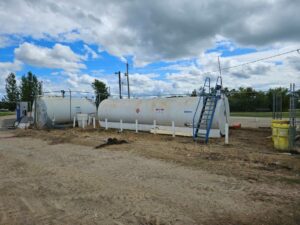
Above ground storage tanks, often called ASTs, are tanks that store fuel or other petroleum products above the surface of the ground. These tanks are usually installed on concrete pads, steel supports, or within containment areas.
ASTs are commonly used because they are easier to access, inspect, and maintain compared to underground tanks. You can visually see their condition, which makes early detection of problems possible when inspections are done regularly.
Many types of fuels are stored in above ground tanks. These include gasoline, diesel, heating oil, and other petroleum products. ASTs can be found at fuel stations, industrial facilities, farms, transportation yards, and remote job sites.
Even though they are above ground, these tanks are still exposed to weather, temperature changes, and daily use. Over time, this exposure can weaken tank materials and create safety risks if inspections are ignored.
Why Above Ground Tank Inspections Are Important
Above ground tank inspections are not just a recommendation. In many cases, they are a requirement. More importantly, they are a smart way to protect people, property, and the environment.
Fuel leaks from damaged tanks can contaminate soil and nearby water sources. This can lead to expensive cleanup costs and serious environmental harm. Inspections help identify early signs of corrosion, cracks, or leaks before they become major problems.
Safety is another key reason inspections matter. Fuel is highly flammable. A damaged tank, faulty valve, or blocked vent can increase the risk of fire or explosion. Regular inspections help ensure that all safety systems are working properly.
From a business perspective, inspections reduce downtime. Finding issues early allows repairs to be planned, rather than dealing with emergency shutdowns. This helps businesses maintain smooth operations and avoid unexpected losses.
Canadian Regulations for Above Ground Tank Inspections
Across Canada, above ground storage tanks are subject to federal, provincial, and local regulations. These rules are in place to protect public safety and the environment.
Regulations may vary by province, but most require routine inspections, proper documentation, and compliance with safety standards. In Manitoba and other provinces, tanks must meet fire codes, environmental guidelines, and industry standards such as CSA requirements.
Businesses are usually required to keep inspection records. These records may be reviewed during audits or regulatory checks. Failure to comply with inspection rules can result in fines, penalties, or forced shutdowns.
Absolute Petroleum stays up to date with current regulations across Canada. Our inspection services help clients meet compliance requirements with confidence and clarity.
How Often Should Above Ground Tanks Be Inspected?
Inspection frequency depends on several factors. These include tank size, age, fuel type, location, and usage level.
Some basic visual checks may be done daily or weekly by on-site staff. These checks look for obvious issues like leaks, stains, or physical damage.
More detailed inspections are usually required monthly or annually. These inspections are best performed by trained professionals who understand tank systems and safety requirements.
Older tanks often need more frequent inspections. Tanks located outdoors may also require closer monitoring due to weather exposure. After severe weather events, inspections are especially important to confirm that tanks have not shifted or been damaged.
A scheduled inspection plan helps ensure that tanks remain safe and compliant throughout their lifespan.
What Is Included in an Above Ground Tank Inspection?
A proper above ground tank inspection covers more than just a quick visual check. It involves a detailed review of the tank and its supporting systems.
The inspection begins with a visual examination of the tank body. Inspectors look for rust, corrosion, dents, cracks, or bulging areas that may weaken the structure.
Tank foundations and supports are also checked. The tank must sit level and stable. Any movement, sinking, or cracking in the foundation can stress the tank and lead to failure.
Pipes, valves, and fittings are inspected for leaks or wear. Loose connections or damaged valves are common sources of fuel loss.
Inspectors also check vents and overfill protection systems. These components help prevent pressure buildup and spills during refueling.
Secondary containment areas are reviewed as well. These areas are designed to capture spills if a tank leaks. Cracks, gaps, or debris in containment systems can reduce their effectiveness.
Clear labeling and safety signage are also reviewed. Proper markings help emergency responders and staff understand the contents and hazards of the tank.
Common Problems Found During Above Ground Tank Inspections
Inspections often uncover issues that are not visible during daily operations. One of the most common problems is corrosion. Exposure to moisture and temperature changes can slowly weaken metal surfaces.
Another frequent issue is damaged coatings or paint. When protective coatings wear away, metal underneath becomes more vulnerable to rust.
Leaks can occur at joints, valves, or seams. Even small leaks can grow over time if they are not addressed quickly.
Improper containment is also a common finding. Containment systems may crack or fill with debris, reducing their ability to contain spills.
Blocked vents or faulty overfill systems are another concern. These issues can cause pressure buildup or fuel spills during refueling.
Finding these problems early allows for timely repairs and reduces long-term risks.
The Inspection Process at Absolute Petroleum
At Absolute Petroleum, above ground tank inspections follow a structured and reliable process. Our goal is to provide clear results and practical guidance.
The process begins with a site review. We assess the tank location, surrounding area, and access points. We also review any available tank history and previous inspection records.
Our Licensed Petroleum Technicians then perform a detailed on-site inspection. They examine the tank, piping, supports, and safety systems using industry-approved methods.
Each inspection is completed with attention to detail. Our technicians understand what to look for and how to identify early warning signs.
After the inspection, we provide clear findings and recommendations. If issues are identified, we explain them in simple terms and outline the next steps.
Our team also offers support beyond the inspection. We can assist with repairs, upgrades, or compliance planning when needed.
Why Choose Absolute Petroleum
Choosing the right inspection partner makes a real difference. Absolute Petroleum is trusted by businesses across Canada for a reason.
With over 20 years in the petroleum industry, we understand the challenges our clients face. We have built a strong reputation for reliability, safety, and quality service.
We are proud to be Manitoba’s largest petroleum contractor. Our team includes more than 30 experienced professionals, supported by 200+ years of combined LPT experience.
Our national service coverage allows us to support businesses across Canada, including remote and industrial locations.
We focus on practical solutions. Our inspections are thorough, but our recommendations are clear and actionable.
Benefits of Regular Above Ground Tank Inspections
Regular inspections provide long-term value for businesses. One of the biggest benefits is early problem detection. Small issues are easier and less expensive to fix.
Inspections also help extend the life of storage tanks. Well-maintained tanks last longer and perform more reliably.
Environmental protection is another major benefit. Preventing leaks protects soil, water, and surrounding communities.
From a safety standpoint, inspections reduce the risk of fires and fuel-related incidents. This creates a safer workplace for employees and visitors.
Regular inspections also support regulatory compliance. Businesses can operate with confidence, knowing they meet current standards.
Industries We Serve
Absolute Petroleum provides above ground tank inspection services to a wide range of industries.
We work with fuel distributors and petroleum suppliers who rely on safe storage systems.
Commercial and industrial facilities depend on our inspections to maintain compliance and reduce risk.
Transportation and logistics companies use above ground tanks to fuel fleets and equipment.
Agricultural operations rely on fuel storage for daily operations, especially in rural areas.
We also serve municipal facilities, government sites, and remote operations across Canada.
No matter the industry, we tailor our inspection services to the specific needs of each site.
Above Ground Tank Inspections vs. Repairs
It is important to understand the difference between inspections and repairs. Inspections are designed to identify issues, not fix them on the spot.
When inspections reveal concerns, repairs or upgrades may be required. Addressing these findings quickly helps prevent larger problems.
Absolute Petroleum supports both inspection and repair services. This means clients can rely on one trusted partner from assessment to resolution.
Taking action after an inspection is just as important as the inspection itself. Delayed repairs can lead to higher costs and increased risk.
Frequently Asked Questions
Are above ground tank inspections mandatory?
In many cases, yes. Regulations vary by location, but inspections are often required for compliance and insurance purposes.
How long does an inspection take?
Inspection time depends on tank size and site conditions. Most inspections can be completed within a few hours.
Will inspections disrupt operations?
Inspections are usually planned to minimize disruption. Our team works efficiently and safely on-site.
What happens if my tank fails an inspection? If issues are found, we provide clear recommendations. Repairs or upgrades may be needed to meet safety standards.
How much do inspections cost? Costs vary based on tank size, location, and inspection scope. Absolute Petroleum provides transparent pricing.
Book an Above Ground Tank Inspection with Absolute Petroleum
Proactive inspections are the best way to protect your fuel storage systems. Waiting until a problem occurs can lead to higher costs and serious risks.
Absolute Petroleum makes the inspection process simple and reliable. Our experienced team supports businesses across Canada with trusted petroleum services.
Whether you manage a single tank or a large facility, we are ready to help you stay safe, compliant, and prepared.
Contact Absolute Petroleum today to schedule your above ground tank inspection and ensure your operations continue without interruption.