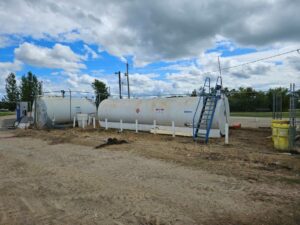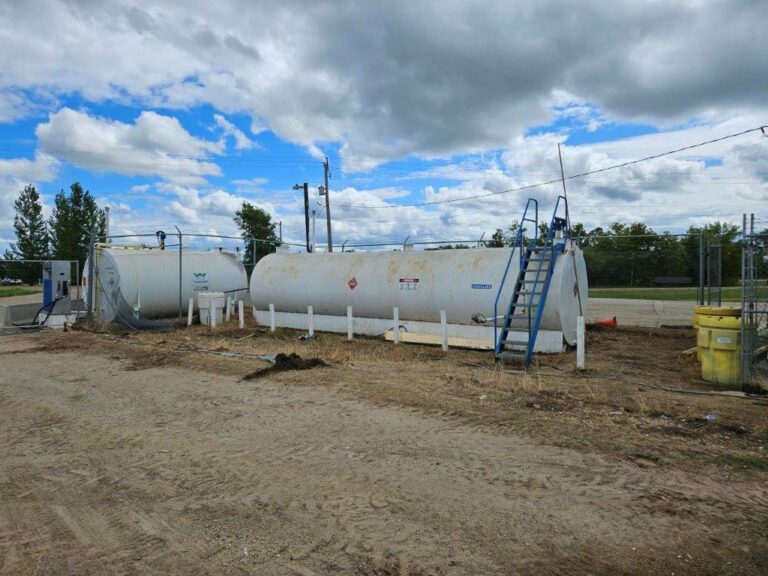
Fuel storage tanks play a critical role in the safe and efficient storage of petroleum products for commercial, industrial, and municipal operations. Whether used for fleet fueling, construction sites, bulk fuel plants, or emergency backup systems, fuel storage tanks must remain in excellent condition to ensure safety, environmental protection, and regulatory compliance.
Unfortunately, fuel storage tanks are exposed to various risks over time. Corrosion, leaks, water contamination, and equipment failures can lead to costly repairs, environmental damage, and operational downtime. Understanding these common issues and implementing preventive maintenance measures can significantly extend the life of your fuel storage system.
In this guide, we’ll explore the most common fuel storage tank problems and provide practical strategies to prevent them..
Why Fuel Storage Tank Maintenance Matters
Proper fuel storage tank maintenance is essential for:
- Preventing fuel loss and contamination
- Protecting the environment from spills and leaks
- Maintaining compliance with local regulations
- Reducing repair and replacement costs
- Improving operational reliability
- Extending equipment lifespan
A proactive maintenance program helps identify potential issues before they become serious problems.
1. Corrosion and Rust
Corrosion is one of the most common causes of fuel storage tank failure. Metal tanks are continuously exposed to moisture, changing temperatures, and environmental conditions that can cause rust to develop over time.
Corrosion may occur:
- On external tank surfaces
- Inside the tank due to condensation
- Around piping and fittings
- At weld joints and seams
If left untreated, corrosion can weaken the tank structure and eventually cause leaks.
Prevention Tips
- Schedule regular tank inspections.
- Apply protective coatings and corrosion-resistant finishes.
- Install cathodic protection systems when appropriate.
- Keep tanks clean and free of standing water.
- Repair damaged coatings immediately.
Routine monitoring helps detect corrosion before it becomes a major issue.
2. Fuel Leaks
While occasional anxiety is normal, it can evolve into a clinical condition. Understanding when anxiety crosses that threshold is crucial for seeking appropriate help.
Anxiety Disorder Symptoms
Fuel leaks can result from corrosion, damaged fittings, faulty valves, cracked piping, or structural tank failures. Even a small leak can create environmental hazards and lead to significant financial penalties.
Signs of a leak may include:
- Unexplained fuel loss
- Fuel odors near the tank
- Wet spots around the tank area
- Visible stains or discoloration
Prevention Tips
- Conduct leak detection testing regularly.
- Inspect valves, fittings, and piping connections.
- Use secondary containment systems.
- Replace aging components before failure occurs.
- Implement automated monitoring systems.
Early leak detection can save thousands of dollars in remediation costs.
3. Water Contamination
Water contamination is a common issue in fuel storage systems. Moisture can enter tanks through condensation, damaged seals, vents, or improperly secured access points.
Water in fuel can cause:
- Fuel degradation
- Microbial growth
- Corrosion
- Equipment damage
- Reduced engine performance
Prevention Tips
- Perform routine water testing.
- Drain accumulated water from tank bottoms.
- Inspect seals and vents regularly.
- Maintain proper tank ventilation.
- Use water-monitoring technology when available.
Keeping water out of fuel storage tanks helps preserve fuel quality and equipment reliability.
4. Overfilling and Spills
Overfilling occurs when tanks exceed their designed storage capacity during fuel deliveries. This can result in spills, environmental contamination, and safety hazards.
Common causes include:
- Human error
- Faulty gauges
- Lack of monitoring systems
- Communication failures during deliveries
Prevention Tips
- Install automatic overfill prevention devices.
- Use high-level alarms.
- Verify tank capacity before deliveries.
- Train personnel on proper fueling procedures.
- Maintain accurate inventory records.
Modern monitoring systems can significantly reduce overfill risks
5. Equipment and Component Failure
Fuel storage systems rely on numerous components, including pumps, valves, gauges, filters, and monitoring equipment. Failure of any component can disrupt operations and create safety concerns.
Prevention Tips
- Follow a scheduled maintenance program.
- Replace worn components promptly.
- Conduct routine performance testing.
- Keep spare parts available for critical equipment.
- Document all inspections and repairs.
Preventive maintenance is often far less expensive than emergency repairs.
6. Microbial Growth
Microorganisms can develop where water and fuel meet inside storage tanks. These microbes can produce sludge, clog filters, accelerate corrosion, and reduce fuel quality.
Prevention Tips
- Eliminate water accumulation.
- Test fuel regularly.
- Clean tanks periodically.
- Use approved fuel treatment products when necessary.
- Monitor fuel quality throughout storage periods.
Controlling moisture is the most effective way to prevent microbial contamination.
7. Structural Damage
Fuel storage tanks can suffer structural damage due to weather conditions, ground movement, impacts, improper installation, or aging infrastructure.
Potential consequences include:
- Tank deformation
- Foundation issues
- Cracked welds
- Reduced structural integrity
Prevention Tips
- Inspect tank foundations regularly.
- Address settlement issues promptly.
- Protect tanks from vehicle impacts.
- Ensure proper installation by experienced professionals.
- Schedule periodic structural assessments.
Structural inspections help identify hidden issues before they become dangerous.
The Importance of Regular Fuel Storage Tank Inspections
Routine inspections are one of the most effective ways to prevent fuel storage tank problems. Professional inspections can identify:
- Early signs of corrosion
- Leaks and structural weaknesses
- Water accumulation
- Equipment wear
- Regulatory compliance concerns
Regular inspections not only improve safety but also reduce long-term maintenance costs and extend asset life.
Building a Preventive Maintenance Program
An effective fuel storage tank maintenance plan should include:
- Monthly visual inspections
- Leak detection monitoring
- Water level checks
- Annual professional inspections
- Tank cleaning schedules
- Equipment testing and calibration
- Documentation and compliance reporting
A proactive approach minimizes risks and helps ensure uninterrupted operations.
Conclusion
At Absolute Petroleum, we are committed to delivering safe, reliable, and efficient fuel storage solutions for commercial, industrial, and municipal operations. Our focus is on maintaining high-quality fuel systems that reduce risks such as corrosion, leaks, water contamination, and equipment failure. With strong industry experience, we help businesses ensure compliance, improve operational performance, and extend the life of their fuel storage infrastructure. Whether you need installation, maintenance, or inspection services, our team provides complete support tailored to your needs. Learn more about us at About Us or explore our full range of solutions at Services. You can also view our completed work in the Projects section. For direct assistance or inquiries, visit Contact Us. Our goal is to provide long-term value and dependable fuel management solutions for every client.
Fuel storage tanks are essential assets for any petroleum, industrial, or commercial operation, but they require consistent care to perform safely and efficiently. Problems like corrosion, leaks, water contamination, and equipment failure can lead to serious safety risks and costly downtime if ignored. By implementing regular inspections, preventive maintenance, and proper monitoring systems, businesses can significantly extend tank life, improve fuel quality, and maintain full regulatory compliance. A proactive approach ensures your fuel storage system remains reliable, safe, and cost-effective in the long run.
FAQs
What is the most common problem in fuel storage tanks?
Corrosion is the most common issue, especially in metal tanks exposed to moisture and changing weather conditions.
How often should fuel storage tanks be inspected?
It is recommended to inspect tanks monthly visually and conduct professional inspections at least once a year.
What causes water contamination in fuel tanks?
Water usually enters through condensation, poor sealing, damaged vents, or improper maintenance practices.
How can fuel tank leaks be prevented?
Leaks can be prevented through regular inspections, leak detection systems, proper maintenance, and using secondary containment.
Why is fuel tank maintenance important?
Maintenance helps prevent environmental damage, ensures safety, improves fuel quality, and extends the lifespan of the tank.