Petroleum facilities are essential to Canada’s transportation, industrial, commercial, and energy infrastructure. From fuel storage and distribution sites to commercial fueling stations and petroleum handling facilities, these operations depend on reliable equipment and well-maintained infrastructure.
Because petroleum facilities involve fuel, electrical systems, tanks, piping, pumps, dispensers, and other specialized equipment, regular maintenance is essential. Small problems that are ignored can develop into expensive repairs, operational interruptions, safety hazards, or environmental concerns.
Petroleum facility maintenance provides a proactive way to identify potential problems before they become major issues. A structured maintenance program can help facility operators improve reliability, extend equipment life, support safe operations, and reduce unexpected downtime.
This practical guide explains the key areas operators should consider when maintaining petroleum facilities in Canada.
Why Petroleum Facility Maintenance Matters
Regular maintenance is an important part of operating any petroleum facility safely and efficiently. Equipment is exposed to continuous use, changing weather conditions, moisture, temperature fluctuations, and general wear.
Without proper maintenance, components can gradually deteriorate.
For example, damaged piping, worn pumps, faulty electrical components, or problems with storage systems can affect facility operations. Identifying these issues early can make repairs more manageable and reduce the likelihood of larger failures.
A proactive maintenance strategy can also help operators plan repairs and upgrades instead of reacting to emergencies.
1. Inspect Fuel Storage Systems Regularly
Fuel storage systems are one of the most important components of a petroleum facility.
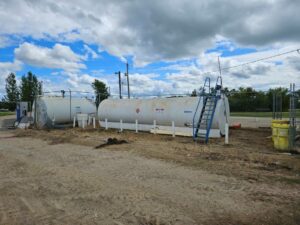
Storage tanks, connections, valves, piping, and associated equipment should be inspected regularly for signs of deterioration or potential problems.
Depending on the facility and equipment involved, inspections may look for corrosion, leaks, structural concerns, damaged connections, or other issues that could affect safe operation.
Regular inspections can help identify problems before they result in fuel loss, environmental damage, or operational disruption.
Operators should maintain accurate inspection records and address identified issues promptly.
2. Maintain Fuel Pumps and Dispensing Equipment
Fuel pumps and dispensing systems can experience significant wear because they are used frequently.
A maintenance program should include regular checks of pumps, hoses, nozzles, connections, meters, and other associated equipment.
Signs such as unusual noises, slow dispensing, leaks, inconsistent performance, or visible damage should not be ignored.
Addressing small equipment problems early can help prevent larger failures and minimize disruption to customers or facility operations.
Professional maintenance can also help ensure that equipment continues to perform as intended.
3. Check Piping and Connections
Petroleum facilities depend on piping systems to move fuel between storage, processing, and dispensing areas.
Pipes and connections can be affected by corrosion, physical damage, environmental conditions, and long-term wear.
Regular inspection of accessible piping and connections can help identify potential weaknesses.
Facility operators should pay attention to visible corrosion, damaged insulation, unusual odours, signs of leakage, and changes in system performance.
Where problems are identified, qualified professionals can determine whether repair, replacement, or further investigation is appropriate.
4. Pay Attention to Electrical Systems
Electrical infrastructure plays an important role in petroleum facilities. Lighting, pumps, monitoring systems, controls, emergency systems, and other equipment may depend on properly functioning electrical components.
Electrical systems in petroleum environments require careful attention because certain areas may have specific requirements related to hazardous locations.
Routine inspections and maintenance can help identify damaged wiring, faulty components, deteriorating connections, or other issues.
Electrical work should be performed by appropriately qualified professionals who understand the requirements associated with petroleum facilities.
5. Prepare for Canada’s Changing Weather
Canadian weather presents unique maintenance challenges for petroleum facilities.
Extreme cold, snow, ice, rain, wind, and seasonal temperature changes can affect outdoor infrastructure and equipment.
Winter conditions can be particularly challenging. Cold temperatures may affect equipment performance, access routes, exposed piping, doors, seals, and other components.
Before winter arrives, facility operators should review equipment and infrastructure that may be affected by severe weather.
A seasonal maintenance plan can help identify potential vulnerabilities and allow operators to address them before extreme conditions create operational problems.
6. Monitor for Corrosion
Corrosion is an important consideration for petroleum infrastructure.
Moisture, temperature changes, chemicals, environmental exposure, and aging materials can contribute to corrosion over time.
Corrosion can affect tanks, pipes, structural components, connections, and other equipment.
Regular inspections can help identify early signs of corrosion. When corrosion is discovered, professionals can assess its severity and recommend appropriate corrective action.
Preventive maintenance is generally more manageable than waiting until corrosion causes a major equipment failure.
7. Maintain Emergency and Safety Equipment
Safety equipment should be included in every petroleum facility maintenance program.
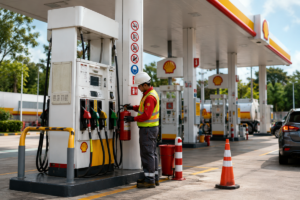
Emergency shut-off systems, fire protection equipment, alarms, emergency lighting, spill response equipment, signage, and other safety systems should be inspected and maintained according to applicable requirements.
Employees should also know where emergency equipment is located and understand the procedures relevant to their responsibilities.
A facility’s safety systems are most valuable when they are functional, accessible, and supported by appropriate procedures and training.
8. Keep Accurate Maintenance Records
Documentation is an often-overlooked part of maintenance.
Facility operators should keep records of inspections, repairs, replacements, testing, servicing, and other important maintenance activities.
Good documentation can help operators understand the history of their equipment and identify recurring problems.
Maintenance records can also make it easier to plan future work.
For example, if a particular pump repeatedly requires repairs, the maintenance history may indicate that replacement or a larger equipment upgrade should be considered.
Preventive Maintenance vs. Emergency Repairs
A reactive approach means waiting until equipment fails before taking action. While emergency repairs are sometimes unavoidable, relying on them as the primary maintenance strategy can increase costs and downtime.
Preventive maintenance takes a different approach.
Instead of waiting for a failure, operators regularly inspect and service equipment to identify potential issues.
This approach can help facilities plan maintenance around operational requirements. It can also reduce the likelihood of unexpected equipment failures.
For petroleum operators, preventive maintenance can be particularly valuable because an equipment failure may affect more than productivity. It can also create safety, environmental, and operational concerns.
Planning Petroleum Infrastructure Upgrades
Maintenance inspections can sometimes reveal that equipment has reached the end of its useful life.
In these situations, repair may no longer be the most practical option.
Facility operators may need to consider infrastructure upgrades, equipment replacement, or broader modernization.
Examples may include upgrading fuel dispensing equipment, replacing aging piping, improving electrical infrastructure, modernizing monitoring systems, or improving site drainage.
When planning an upgrade, operators should consider current requirements as well as future facility needs.
Working with an experienced petroleum contractor can help coordinate complex projects and minimize disruption to ongoing operations.
Choosing the Right Petroleum Contractor
Selecting an experienced petroleum contractor is an important decision for facility maintenance and infrastructure projects.
A suitable contractor should understand the specialized requirements of petroleum environments and have experience working with relevant equipment and systems.
Before hiring a petroleum contractor, facility owners should consider experience, qualifications, safety practices, project management capabilities, and familiarity with the type of work required.
For larger projects, communication is especially important.
The contractor should be able to clearly explain the proposed work, expected schedule, materials, potential challenges, and project requirements.
Choosing the right petroleum contractor can help ensure that maintenance and upgrade projects are completed professionally and efficiently.
Creating a Practical Maintenance Schedule
Every petroleum facility is different, so maintenance requirements can vary depending on equipment, facility size, operating conditions, age, and usage.
A practical maintenance schedule can divide tasks into different intervals.
Daily or Routine Checks
Routine checks may include looking for visible leaks, unusual equipment conditions, damage, or other obvious problems.
Monthly Checks
More detailed inspections can focus on equipment condition, pumps, connections, safety systems, and other facility components.
Seasonal Maintenance
Seasonal preparation is particularly important in Canada. Before winter, operators can review systems and infrastructure that may be affected by cold, snow, and ice.
Annual Reviews
An annual maintenance review can help operators evaluate the overall condition of the facility and identify larger repairs, replacements, or upgrades that may be needed.
A qualified petroleum contractor can help develop a maintenance strategy suited to a facility’s specific requirements.
Benefits of Professional Petroleum Facility Maintenance
Professional maintenance can provide several long-term benefits.
First, it can improve equipment reliability. Regular inspections allow potential issues to be identified before they become major failures.
Second, maintenance can help reduce unexpected downtime. Planned repairs are generally easier to manage than emergency breakdowns.
Third, professional maintenance can support safer facility operations by ensuring that important equipment and systems receive appropriate attention.
Finally, regular maintenance can help extend the useful life of infrastructure and equipment.
The goal is not simply to repair problems. Effective maintenance is about protecting the long-term performance of the facility.
Conclusion
Petroleum facility maintenance is an important part of operating safe, reliable, and efficient petroleum infrastructure in Canada.
From fuel storage tanks and pumps to piping, electrical systems, emergency equipment, and outdoor infrastructure, every component requires appropriate attention.
Canada’s changing weather conditions make proactive maintenance particularly important. Regular inspections, preventive servicing, accurate documentation, and timely repairs can help reduce unexpected problems and protect long-term facility performance.
When specialized repairs, maintenance programs, or infrastructure upgrades are required, working with an experienced petroleum contractor can provide valuable technical expertise and project support.
By taking a proactive approach to maintenance, petroleum facility operators can protect their infrastructure, reduce unnecessary downtime, and support safer and more dependable operations for years to come.
FAQs
Why is petroleum facility maintenance important in Canada?
Petroleum facility maintenance helps identify equipment problems early, improve operational reliability, reduce unexpected downtime, and support safer facility operations. Regular maintenance is especially important in Canada because facilities can be affected by extreme cold, snow, ice, and seasonal weather changes.
What should be included in a petroleum facility maintenance program?
A maintenance program should include regular inspections of fuel storage systems, pumps, dispensing equipment, piping, electrical systems, safety equipment, and other critical infrastructure. Maintenance records and seasonal inspections should also be part of the program.
How often should a petroleum facility be inspected?
Inspection frequency depends on the facility, equipment, operating conditions, and applicable requirements. Routine checks should be performed regularly, while more detailed inspections and maintenance should follow the equipment manufacturer’s recommendations and relevant Canadian requirements.