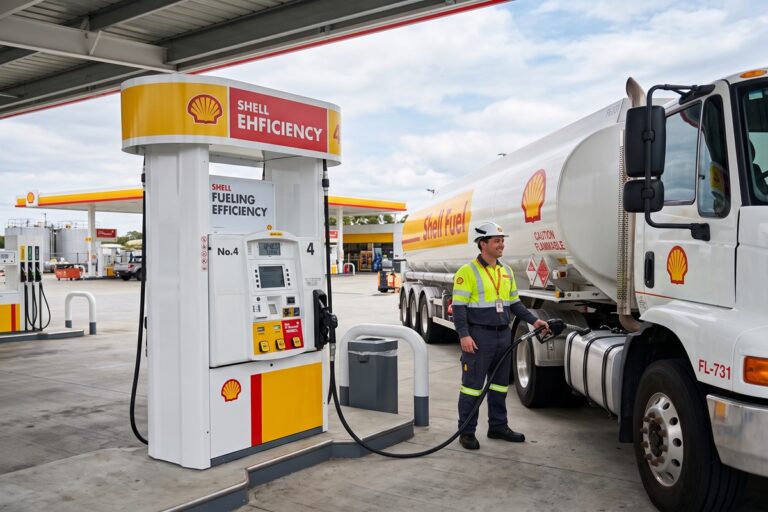
Fuel is one of the most important operating expenses for businesses that depend on vehicles, equipment, generators, fueling stations, bulk storage facilities, and other petroleum infrastructure. When fuel is not managed properly, small inefficiencies can quickly become significant costs.
The good news is that improving fuel management does not always require a major investment or completely new infrastructure. Better monitoring, regular maintenance, accurate inventory tracking, and properly maintained fuel systems can help businesses reduce waste and control operating expenses over time.
For companies that rely heavily on petroleum products, effective fuel management is about more than simply keeping tanks full. It means understanding where fuel is going, identifying losses, maintaining equipment, and making sure the entire system operates safely and efficiently.
What Is Fuel Management?
Fuel management is the process of monitoring, controlling, storing, and using fuel as efficiently as possible. It can apply to a small commercial fueling operation or a large facility with multiple tanks, pumps, vehicles, and dispensing points.
A good fuel management approach may include:
- Monitoring fuel inventory
- Tracking fuel consumption
- Maintaining storage tanks
- Inspecting pumps and dispensers
- Checking fuel lines and connections
- Identifying leaks or unusual losses
- Maintaining accurate fuel records
- Scheduling preventative maintenance
- Improving fuel purchasing and delivery practices
When these areas are managed together, businesses have a much clearer picture of their fuel usage and can identify problems before they become expensive.
1. Monitor Fuel Consumption Closely
One of the simplest ways to control fuel costs is to know exactly how much fuel is being used.
Without accurate tracking, it can be difficult to determine whether increased fuel consumption is caused by normal operations, inefficient equipment, unauthorized use, leaks, or other problems.
Regular monitoring can help businesses compare:
- Fuel purchased
- Fuel stored
- Fuel dispensed
- Fuel used by vehicles or equipment
- Fuel remaining in storage
These numbers can reveal patterns that might otherwise go unnoticed.
For example, if fuel consumption suddenly increases without a corresponding increase in business activity, it may be worth investigating the cause. A change in usage could indicate equipment problems, inaccurate dispensing, inventory discrepancies, or a developing fuel system issue.
Accurate information allows businesses to make decisions based on real operating data rather than assumptions.
2. Reduce Fuel Losses and Waste
Fuel losses can happen in several ways. Some are obvious, while others can remain unnoticed for long periods.
Leaks are one of the most serious concerns. A damaged tank, underground line, fitting, or connection can result in fuel loss while also creating environmental and safety risks.
Other losses may result from:
- Overfilling storage tanks
- Poor dispensing practices
- Equipment problems
- Evaporation
- Incorrect inventory records
- Unauthorized fuel use
- Damaged or poorly maintained components
Regular inspections and accurate inventory reconciliation can help identify unusual losses early.
Reducing fuel waste is not only good for the environment; it can also directly reduce operating costs.
3. Maintain Fuel Storage Systems
Proper fuel storage is an important part of effective fuel management. Storage tanks, piping, pumps, and related components need to remain in good working condition to protect fuel quality and prevent unnecessary losses.
Over time, tanks and components can experience corrosion, wear, sediment buildup, or other issues. If these problems are ignored, they can affect the reliability of the entire fuel system.
Regular inspections and maintenance can help identify issues before they result in major repairs or operational downtime.
Businesses should consider the condition of their:
- Aboveground storage tanks
- Underground storage tanks
- Fuel piping
- Pumps
- Dispensers
- Filters
- Leak detection equipment
- Tank monitoring equipment
A proactive approach is usually more cost-effective than waiting for a major failure.
4. Keep Fuel Systems Properly Maintained
Maintenance is one of the most effective ways to protect long-term fuel efficiency.
A poorly maintained fuel system can become less reliable and may require emergency repairs. Unexpected downtime can be particularly expensive for businesses that depend on continuous access to fuel.
Preventative fuel maintenance can include inspecting equipment, cleaning components, testing systems, replacing worn parts, and addressing small problems before they develop into larger failures.
For example, a problem with a dispenser may initially appear minor. If it is left unresolved, however, it could eventually affect operations or require a more extensive repair.
Scheduled maintenance gives businesses greater control over when repairs are performed and helps reduce unexpected interruptions.
5. Improve Fuel Inventory Management
Keeping too much or too little fuel in storage can create operational challenges.
Too little fuel may result in emergency deliveries, while excessive inventory can tie up capital and increase storage-related risks.
A well-managed inventory system helps businesses understand their normal consumption patterns and plan fuel deliveries accordingly.
Historical usage data can be especially useful. By reviewing fuel consumption over weeks or months, businesses can identify seasonal trends and estimate future requirements.
For operations with high fuel demand, accurate inventory management can improve purchasing decisions and reduce unnecessary costs.
6. Improve Fuel Efficiency Across Vehicles and Equipment
Fuel management does not stop at the storage tank. How vehicles and equipment use fuel also has a major effect on operating costs.
Poorly maintained equipment may consume more fuel than necessary. Factors such as tire pressure, engine condition, idling, load levels, and operating habits can all affect fuel consumption.
Businesses can improve efficiency by:
- Keeping equipment properly maintained
- Reducing unnecessary idling
- Monitoring fuel usage by vehicle
- Training operators on efficient driving practices
- Replacing inefficient equipment when appropriate
- Reviewing unusual fuel consumption patterns
Even small improvements across a large fleet can add up to meaningful savings.
7. Use Technology to Improve Visibility
Modern fuel management systems can provide businesses with better visibility into fuel use and inventory.
Depending on the operation, technology can help track:
- Fuel dispensing
- Tank levels
- Fuel transactions
- Vehicle usage
- Inventory changes
- System alerts
- Unusual consumption patterns
Having this information available makes it easier to identify discrepancies and respond quickly to potential problems.
Technology is especially useful for businesses managing multiple vehicles, remote sites, tanks, or fueling locations. Instead of relying entirely on manual records, operators can use centralized information to make better decisions.
The right system depends on the size and complexity of the operation, so businesses should choose technology that fits their actual requirements.
8. Prevent Fuel Contamination
Fuel quality is another area that can affect operating costs.
Water, sediment, rust, and other contaminants can enter fuel storage systems over time. Contaminated fuel can affect engines, filters, pumps, and other equipment.
This may result in:
- Equipment downtime
- Repairs
- Filter replacement
- Poor engine performance
- Increased maintenance costs
Regular tank inspections, appropriate filtration, and proper fuel storage practices can help reduce contamination risks.
Businesses should also investigate repeated fuel-quality issues rather than treating them as isolated problems. Persistent contamination may indicate an issue with the tank, delivery process, or fuel system.
9. Plan Preventative Maintenance Instead of Emergency Repairs
Emergency repairs are often more expensive than planned maintenance.
When a fuel system suddenly fails, a business may need to deal with equipment downtime, emergency service costs, operational disruption, and potentially lost revenue.
Preventative maintenance gives businesses an opportunity to address problems before they become urgent.
A maintenance plan can include scheduled inspections, testing, cleaning, repairs, and replacement of components that are approaching the end of their useful life.
This approach can extend equipment life and make operating expenses more predictable.
10. Work With Experienced Petroleum Professionals
Fuel infrastructure is complex, and proper maintenance often requires specialized knowledge. Working with experienced petroleum professionals can help businesses identify potential problems and develop practical solutions.
Professional petroleum services may include installation, inspections, maintenance, repairs, testing, upgrades, and troubleshooting.
An experienced contractor can evaluate the condition of a fuel system and help determine which improvements are worth prioritizing.
This is particularly important for larger operations where a small system problem can affect multiple parts of the business.
The Long-Term Value of Better Fuel Management

The biggest benefit of effective fuel management is not always one large cost reduction. Instead, savings often come from many smaller improvements working together.
Better monitoring can reduce unexplained fuel losses. Preventative maintenance can reduce emergency repairs. Improved storage practices can protect fuel quality. More accurate inventory data can improve purchasing decisions. More efficient equipment can reduce fuel consumption.
Over time, these improvements can have a meaningful effect on overall operating costs.
For businesses that depend on fuel every day, fuel management should be viewed as an ongoing operational strategy rather than a one-time project.
Conclusion
Proper fuel management can help businesses control operating costs while improving safety, reliability, and efficiency.
The process starts with understanding how fuel is purchased, stored, monitored, and consumed. From there, businesses can identify areas where fuel is being wasted, equipment needs maintenance, or better tracking systems could improve visibility.
Regular inspections, preventative maintenance, accurate inventory management, fuel-quality control, and efficient equipment all play an important role.
Whether you operate a gas station, bulk fuel plant, commercial fleet, industrial facility, or remote fueling site, managing fuel properly can help protect your investment and reduce unnecessary expenses.
The goal is simple: use the fuel you need, prevent avoidable losses, maintain the systems that handle it, and address problems before they become expensive.
FAQs
What is fuel management?
Fuel management is the process of monitoring, storing, distributing, and using fuel efficiently. It helps businesses track consumption, reduce waste, maintain equipment, and control fuel-related costs.
How can fuel management reduce operating costs?
Effective fuel management can reduce operating costs by identifying fuel waste, preventing leaks, improving inventory control, maintaining equipment, and improving overall fuel efficiency.
How can businesses reduce fuel waste?
Businesses can reduce fuel waste by regularly checking storage tanks and fuel systems, monitoring fuel consumption, preventing leaks, maintaining equipment, and investigating unusual changes in fuel usage.
Why is regular fuel system maintenance important?
Regular maintenance helps identify problems before they cause equipment failure, fuel loss, or costly downtime. It can also help extend the life of tanks, pumps, piping, and dispensing equipment.
Can fuel management technology help businesses save money?
Yes. Fuel management technology can help businesses monitor tank levels, track fuel transactions, identify unusual consumption, and maintain more accurate inventory records, making it easier to control fuel-related expenses.