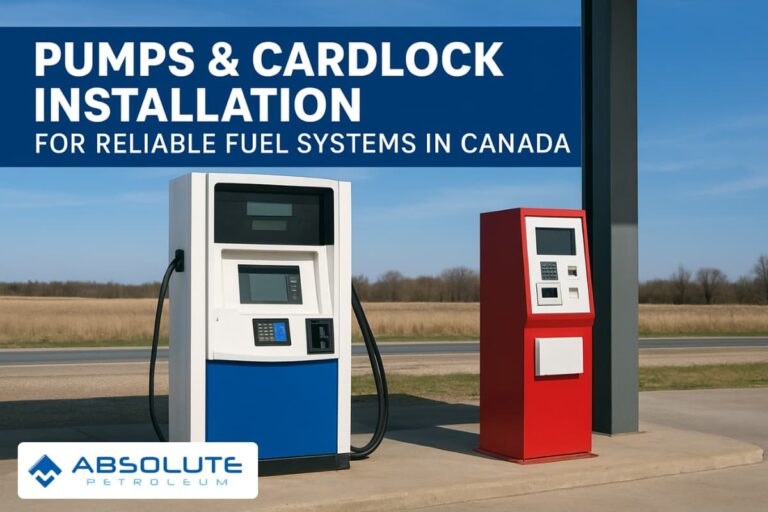
Efficient fuel operations depend on more than storage capacity — they require a professional pump and cardlock install that ensures every component works seamlessly together. In Canada’s fuel industry, from transportation fleets to agricultural sites, pumps and cardlock installation services are essential for controlling access, monitoring usage, and reducing fuel waste.
A well-designed cardlock system provides secure, 24/7 fueling for authorized users, while high-quality pumps deliver reliable performance under demanding conditions. When installed by experienced technicians, these systems not only enhance operational efficiency but also improve safety compliance and extend equipment lifespan. Whether you’re upgrading your current setup or starting fresh, investing in expert pump and cardlock installation is a strategic move toward cost savings, operational control, and long-term success.
Understanding Pump and Cardlock Systems
What is a Fuel Pump System?
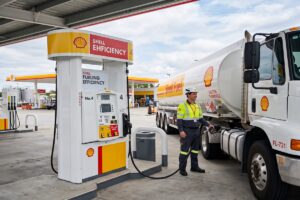
A fuel pump system is designed to transfer fuel from storage tanks to vehicles or equipment. In commercial and industrial setups, pumps are built for high-volume dispensing and durability. They include safety features to prevent leaks and spills, as well as precise flow meters for accurate fuel measurement.
How a Cardlock Fuel System Works
A cardlock system uses secure access cards or fobs to control who can fuel and when. Each transaction is recorded, allowing businesses to monitor fuel consumption by vehicle or operator. These systems are especially valuable for fleets, as they prevent unauthorized use and make reporting easier.
Why Integrating Pumps and Cardlocks Matters
When pumps and cardlocks are integrated, you get a fully controlled and monitored fuel system. This integration ensures only authorized personnel can access fuel, usage is tracked in real-time, and operational efficiency is maximized.
Benefits of Installing Pumps & Cardlocks
A well-implemented pump and cardlock system delivers measurable benefits across security, efficiency, and cost control. Enhanced security ensures that fuel is only dispensed to authorized users, minimizing the risk of theft and misuse.
Accurate tracking provides a detailed record of fuel consumption, allowing managers to identify inefficiencies, monitor driver behavior, and allocate costs accurately across departments or projects. This level of accountability fosters operational discipline and helps prevent waste.
Efficiency gains are realized through faster fueling processes, reduced administrative work, and minimized downtime. Automated data collection eliminates manual logging, freeing staff for higher-value tasks. Over time, these systems contribute to significant cost savings, not only by reducing losses but also by optimizing fuel usage patterns. For businesses operating in competitive markets, these advantages can directly enhance profitability and long-term sustainability.
Why Choose Absolute Petroleum
Proven Track Record Across Canada
With over two decades of service, Absolute Petroleum has delivered safe, efficient petroleum solutions to clients in both urban centers and remote communities. Its expertise extends across diverse sectors, from transportation and construction to public infrastructure projects.
Largest Petroleum Contractor in Manitoba
A dedicated team of more than 30 skilled professionals brings over 200 years of combined Licensed Petroleum Technician (LPT) experience. This depth of expertise ensures that every project meets the highest technical and safety standards.
Comprehensive Petroleum Services
From initial design and new builds to preventative maintenance and emergency repairs, Absolute Petroleum offers a full spectrum of services. This end-to-end capability means clients have a single, trusted partner for all their fueling infrastructure needs.
Commitment to Safety and Quality
Every installation adheres to rigorous safety protocols and industry regulations. The result is a system that performs reliably under demanding conditions while protecting people, property, and the environment.
Notable Projects and Partnerships
The company’s portfolio includes major installations for Red Sucker Lake, CN Rail, hydro facilities, First Nations communities, and national contractors. These projects stand as evidence of its capacity to execute complex operations with precision and professionalism.
Planning and Preparation for Installation
A successful installation begins with a thorough assessment of the site and operational requirements. Factors such as fuel type, storage capacity, expected throughput, and environmental conditions guide the design process. Understanding these parameters ensures that the system is tailored to current needs while accommodating future growth.
Selecting the appropriate pump capacity involves balancing speed, durability, and energy efficiency. For cardlock systems, features such as multi-user support, data integration, and remote management capabilities should align with business objectives.
Compliance considerations are integral at this stage. Local building codes, environmental regulations, and safety standards dictate certain design and placement decisions. Addressing these early prevents costly delays and ensures smooth project execution.
Choosing the Right Equipment
Pumps are available in mechanical and electronic configurations. Mechanical pumps are known for their rugged simplicity, often favored in remote or challenging environments. Electronic pumps, however, offer advanced features such as automated calibration, digital displays, and integration with management software.
Cardlock technology ranges from magnetic stripe cards to RFID tags and PIN-based systems. RFID solutions offer contactless convenience and fast processing, while PIN-based systems provide flexible access control without the need for physical cards.
Durability is a critical consideration, especially for outdoor installations exposed to extreme weather. Corrosion-resistant materials, robust housings, and reliable sealing mechanisms protect equipment longevity and performance.
Installation Process Overview
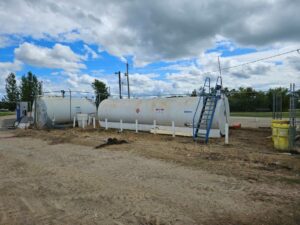
Installation begins with site preparation, including excavation, foundation work, and the placement of underground or above-ground storage tanks if required. Safety precautions such as hazard signage, fire suppression readiness, and spill containment are implemented from the outset.
The pump is then positioned and connected to fuel lines, followed by the installation of the cardlock terminal. Wiring, networking, and system integration are performed to ensure seamless communication between components.
Once physical installation is complete, the system undergoes rigorous testing and calibration. This process verifies flow rates, access controls, data recording accuracy, and safety interlocks. The final handover includes operator training to ensure smooth ongoing operation.
Compliance and Safety Standards
Fueling infrastructure is governed by a framework of national and local regulations designed to protect people and the environment. These include requirements for leak detection, containment, and regular inspection.
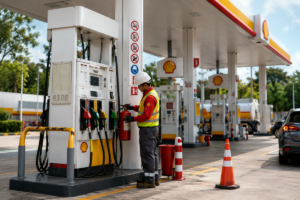
Fire safety is paramount. Installations must include proper extinguishing equipment, emergency shutoff systems, and safe separation distances from ignition sources.
Environmental protection measures, such as spill containment basins and double-walled storage tanks, mitigate the risk of soil and groundwater contamination. Adherence to these standards not only ensures compliance but also strengthens public trust and corporate reputation.
Integration with Fuel Management Software
Modern fuel management software enhances the capabilities of pumps and cardlocks by providing real-time monitoring of fuel usage. Managers can view consumption patterns, set usage limits, and receive alerts for irregular activity.
Data analytics tools within these platforms identify trends and inefficiencies, supporting informed decision-making. Integration with accounting or fleet management systems further streamlines operations and reporting.
Remote access capabilities allow authorized personnel to monitor, control, and update systems from virtually anywhere, improving responsiveness and operational flexibility.
Maintenance Essentials
Routine inspections help detect early signs of wear, leaks, or calibration drift. Preventative maintenance schedules ensure components operate at peak efficiency, reducing the risk of unexpected downtime.
Software updates and security patches are equally important, safeguarding the system from vulnerabilities and ensuring compatibility with evolving technologies.
Common troubleshooting measures—such as checking for blockages, verifying electrical connections, and reviewing system logs—can resolve many operational issues without the need for extensive downtime.
Cost Considerations and ROI
While installation costs represent a significant investment, the long-term savings often outweigh the initial expenditure. Reduced fuel theft, lower administrative overhead, and optimized consumption contribute to a favorable return on investment.
Fuel loss prevention alone can translate into substantial annual savings, particularly for high-volume operations. Accurate tracking also enables precise budgeting and cost allocation.
System optimization—through analytics, maintenance, and strategic upgrades—ensures maximum performance, extending the system’s service life and amplifying ROI over time.
Future Trends
Advances in artificial intelligence are paving the way for predictive maintenance, allowing systems to forecast component failures before they occur. This reduces downtime and maintenance costs.
Contactless and mobile access solutions are becoming increasingly popular, offering added convenience and hygiene. Mobile-based authentication integrates seamlessly with existing security protocols.
Compatibility with renewable fuels, such as biodiesel or ethanol blends, is another emerging focus. As industries move toward sustainable energy sources, adaptable fueling systems will be essential for long-term relevance.
Conclusion
Efficient pumps and cardlock systems form the backbone of modern fuel management. They deliver security, accountability, and operational excellence, helping businesses navigate the challenges of rising costs and regulatory demands.
Investing in a well-planned, expertly installed system ensures reliable performance for years to come. Partnering with an experienced provider ensures that every aspect—from design and compliance to maintenance and optimization—is handled with precision.
The path to smarter, safer, and more efficient fueling begins with the right infrastructure and the expertise to bring it to life.